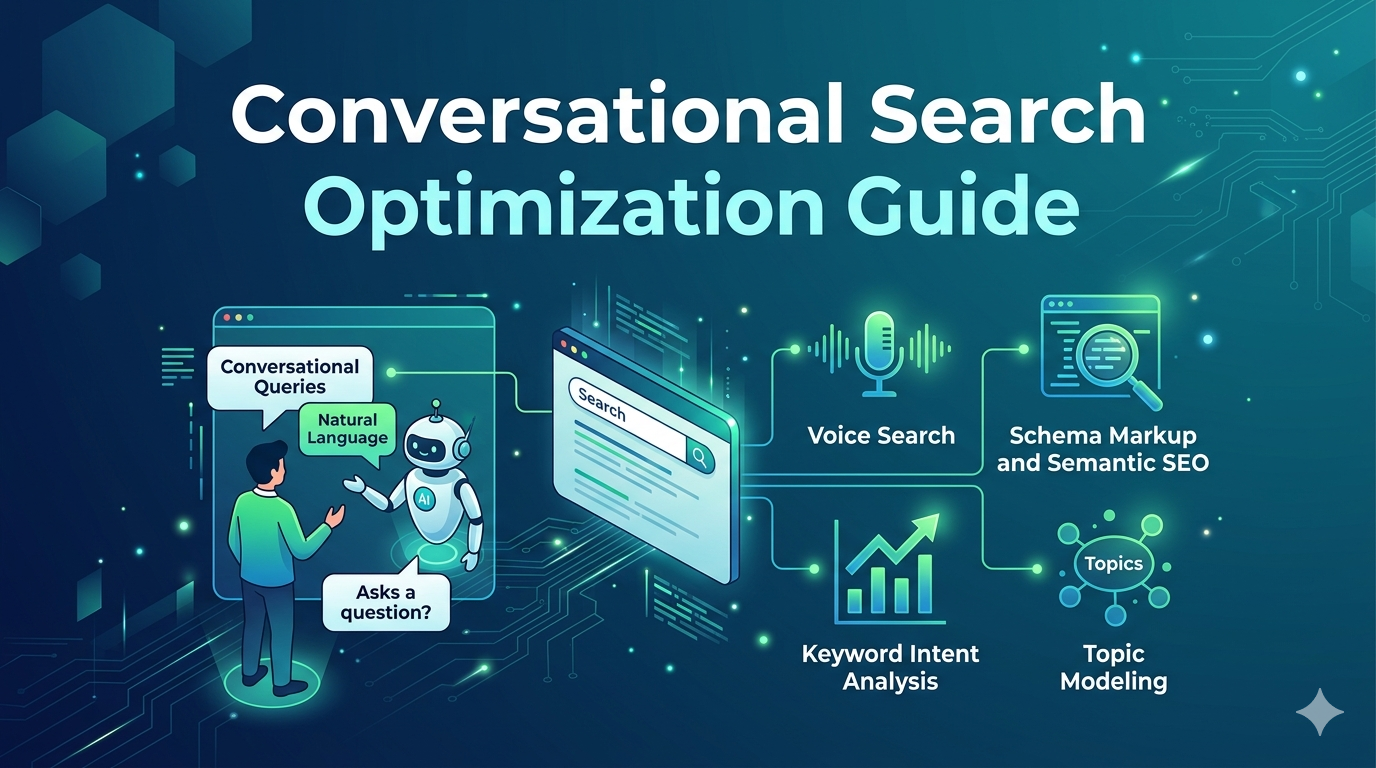
Author: Jerryton Surya

  • Top 10 Digital Marketing agencies

    How an AI seo content writer Alters Search Marketing

    In 2026, ranking well on Google demands speed and exactness. Deploying an AI seo content writer is now the common norm for crews wanting to lead search results. By generating drafts and smart keyword placement, this tech lets writing crews create text faster while keeping quality high.

    Solo creators and giant agencies alike need to adapt. Learning to use an AI seo content writer determines who wins in search rankings today. Blending software with human direction guarantees your brand keeps its competitive edge.

    Defining the Modern AI seo content writer

    This specific AI seo content writer relies on natural language models to study searcher intent and generate high-ranking text. Instead of copying old articles, the system studies top competitors to find missing phrases. This helps your articles match what readers actually want to find.

    By mixing software outputs with human editing, companies publish faster without losing their unique voice. Technical details like keyword density and layout happen automatically during writing.

    Features That Make an AI seo content writer Worth Buying

    Not every text generator performs well. When selecting an AI seo content writer, focus on features that directly boost your traffic. Find tools that offer instant scores, keyword count tallies, and direct ties to actual search stats.

    A strong tool must offer specific options to make your writing process simpler.

    • Automated intent checks and outline builders
    • Instant keyword suggestions taken from winning competitors
    • Plagiarism checkers and readability scores

    Comparing Popular Writing Systems

    To assist your selection, we compared options on the market. These tools help tidy up your editing steps and push your pages up the search rankings.

    Tool Name Main Goal Top Feature Best User
    Frase Search Rankings Instant phrasing checks Niche publishers
    Jasper Business Writing Custom tone matching Marketing agencies
    Surfer SEO Page Audits Detailed search page studies Search specialists

    How to Fit an AI seo content writer Into Your Writing Routine

    Running an AI seo content writer requires a smart mix of human and machine. Relying solely on software drafts without manual editing creates bland text that bores readers. The top method blends computer speed with human skill.

    Follow these steps to make your publishing process faster.

    • Use software to build detailed outlines and raw drafts
    • Have an editor polish the tone, check facts, and add unique thoughts
    • Polish the final draft using live ranking scores

    Getting More Value From Your AI seo content writer

    Buying an AI seo content writer cuts down the hours needed to publish deep guides. By reducing costs per page, you can target more search phrases. This plan builds subject authority and brings in steady traffic over time.

    In the end, pairing software with human editing is the safest path to stay visible on Google in 2026. Pick systems that value tech updates to secure long term marketing wins.

  • Best photovoltaic system in 2026

    Der globale Energiemarkt befindet sich im Wandel weg von zentralen Großkraftwerken hin zu lokalen Netzen. Private Haushalte erwerben in großem Stil Solartechnik, um den steigenden Netzentgelten zu entgehen. Eine zukunftsfähige photovoltaic system liefert im Jahr 2026 dank neuer Zellstrukturen beachtliche Erträge.

    Wer eine langfristige Anschaffung plant, sollte die Einzelteile einer solchen photovoltaic system genau prüfen. Das sichert über Jahrzehnte hinweg konstante Gewinne und passt die Stromerzeugung exakt an den eigenen Alltag an.

    Die Evolution moderner Solarsysteme und der photovoltaic system

    Die Solarindustrie verzeichnet enorme Technologiesprünge. Aktuelle Anlagen setzen fast ausnahmslos auf hocheffiziente TOPCon-Zellen oder fortschrittliche Heterojunction-Module. Eine solche moderne photovoltaic system erreicht im Wohnbereich inzwischen problemlos Wirkungsgrade von mehr als 23 Prozent.

    Frühere Solarmodul-Generationen büßten bei starker Hitze viel Leistung ein. Die neue Generation einer photovoltaic system senkt diesen Temperaturkoeffizienten auf bis zu -0,26 Prozent je Grad Celsius ab. Dadurch bleibt die Stromproduktion selbst im Hochsommer stabil.

    Neben der reinen Leistung rückt die Schonung von Ressourcen in den Fokus. Die Fabrikation hat sich gewandelt, sodass der CO2-Ausstoß bei der Modulproduktion spürbar sank. Viele Hersteller setzen auf Recyclingkreisläufe, um die Umweltbelastung zu minimieren.

    Durch bifaziale Technik fängt eine solche photovoltaic system auch reflektiertes Licht über die Modulrückseite auf. Das steigert den Ertrag auf hellen Flächen wie Kies oder hellen Ziegeln um bis zu 15 Prozent. Die Lebensdauer der Module klettert dank neuer Schutzschichten auf garantierte drei Jahrzehnte.

    Effizienzrekorde: Das leistet eine moderne photovoltaic system

    Die Entscheidung für eine Zelltechnologie bestimmt den finanziellen Erfolg der Anlage über Jahrzehnte. Perowskit-Silizium-Tandemzellen stehen kurz vor dem Einzug in den Massenmarkt und versprechen eine breitere Lichtausbeute. Eine typische photovoltaic system profitiert enorm von diesen mehrschichtigen Absorbern.

    Im Alltag bedeutet dies einen deutlich geringeren Platzbedarf auf dem Dach. Eine kleinere photovoltaic system liefert heute die gleiche Strommenge wie eine riesige Anlage aus vergangenen Tagen. Das verringert die Montagekosten und schont das optische Erscheinungsbild des Hauses.

    Ein wichtiger Faktor ist der jährliche Leistungsabfall. Während ältere Solarmodule spürbar nachließen, verlieren neuartige n-type Module weniger als 0,4 Prozent pro Jahr. Nach 25 Jahren speist die Anlage immer noch über 90 Prozent ihrer Nennleistung ins Hausnetz ein.

    Hier sind wichtige technische Merkmale zeitgemäßer Module, die die Stromausbeute erhöhen:

    • Modulwechselrichter fangen den Strom auch bei teilweisem Schattenwurf durch Bäume effizient auf.
    • Eine hochentwickelte photovoltaic system steuert jedes einzelne Modul über clevere Regler separat an.
    • Der Verzicht auf Blei schont die Natur und vereinfacht das spätere Recycling der Altmodule.

    Die nachfolgende Übersicht vergleicht die führenden Modultechnologien des Jahres 2026:

    Technologie Wirkungsgrad (2026) Temperaturkoeffizient Besondere Vorteile
    TOPCon (n-type) 22,5 % – 24,0 % -0,30 % / °C Gutes Verhalten bei Wolken und hohe Beständigkeit
    Heterojunction (HJT) 23,0 % – 24,5 % -0,26 % / °C Sehr geringer Temperaturverlust, perfekt für heiße Tage
    Perowskit-Tandem 25,0 % – 28,0 % -0,28 % / °C Hohe Stromerträge durch breites Spektrum

    Wichtige Komponenten einer zukunftsfähigen photovoltaic system

    Eine komplette Solarlösung besteht aus weit mehr als nur den sichtbaren Modulen auf dem Dach. Der Hybrid-Wechselrichter wandelt den erzeugten Gleichstrom in nutzbaren Haushaltsstrom um. Eine moderne photovoltaic system benötigt ein solches Steuergerät mit integriertem Energiemanagement für den reibungslosen Betrieb.

    Diese Steuerung verteilt den Strom intelligent zwischen den Haushaltsgeräten, dem Batteriespeicher und dem öffentlichen Netz. Ein zeitgemäßer Stromspeicher gehört heute fest zum Standard für jede neue photovoltaic system im Eigenheim.

    Diese Speicher setzen auf sichere Lithium-Eisenphosphat-Zellen, die über sechstausend Ladezyklen überstehen. Die wichtigsten Bauteile im Überblick:

    • Leistungsstarke Solarmodule mit mindestens 440 Watt Peak für maximale Flächenausnutzung.
    • Ein Hybrid-Wechselrichter mit integrierter Schattenregelung und Ersatzstromfunktion bei Netzausfällen.
    • Ein modularer Akku zur Erhöhung des Eigenverbrauchs einer photovoltaic system nach Sonnenuntergang.
    • Eine intelligente Ladestation für das E-Auto zur direkten Betankung mit Sonnenstrom.

    Wirtschaftliche Vorteile einer photovoltaic system im Überblick

    Der Kauf einer Solaranlage ist eine langfristige Investition mit kalkulierbaren Erträgen. Durch sinkende Modulpreise bei gleichzeitig steigenden Stromkosten rechnet sich eine photovoltaic system im Jahr 2026 schneller als je zuvor. Die Ausgaben haben sich in Mitteleuropa meist nach sieben bis neun Jahren amortisiert.

    Danach liefert die Anlage fast kostenlose Energie für die restliche Lebensdauer von oft über dreißig Jahren. Staatliche Anreize und der Wegfall der Mehrwertsteuer senken die Einstiegshürden für die Anschaffung einer photovoltaic system spürbar.

    Kreditinstitute vergeben zinsgünstige Darlehen für eine photovoltaic system, was den Einstieg ohne Ersparnisse erleichtert. Die eigene Verwendung des Stroms bietet die größte Ersparnis bei den monatlichen Fixkosten. Jede selbst verbrauchte Kilowattstunde ersetzt den teuren Stromeinkauf beim Versorger.

    Neben den direkten Einsparungen steigert die Solaranlage den Wert des Gebäudes. Häuser mit eigener Energieerzeugung sind auf dem Immobilienmarkt sehr gefragt und erzielen höhere Preise beim Verkauf.

    Die fachgerechte Installation einer photovoltaic system

    Der Aufbau verläuft dank modularer Montagesysteme und digitaler Vorplanung rasch. Fachbetriebe vermessen das Dach vorab zentimetergenau mit Drohnenaufnahmen. Eine fachgerecht installierte photovoltaic system sichert einen jahrzehntelangen Betrieb ohne ständige Wartung.

    Die bürokratische Anmeldung der neuen photovoltaic system übernimmt heute meist der ausführende Betrieb. Die physische Montage auf dem Dach erledigt ein eingespieltes Team oft innerhalb weniger Tage. Den elektrischen Anschluss übernimmt danach ein eingetragener Elektromeister.

    Nach der Inbetriebnahme erfolgt der Eintrag im offiziellen Marktstammdatenregister. Das sichert dem Betreiber die gesetzliche Einspeisevergütung für überschüssigen Strom über zwei Jahrzehnte hinweg.

    Fazit: Eine eigene photovoltaic system lohnt sich auch im Jahr 2026

    Die passende Solarlösung richtet sich nach der Dachfläche und dem persönlichen Strombedarf. Eine moderne photovoltaic system bietet im Jahr 2026 hohe Zuverlässigkeit und eine lohnende Rendite für den Haushalt. Das Zusammenspiel aus Modulen, Wechselrichter und Speicher sichert die persönliche Unabhängigkeit.

    Käufer sollten auf etablierte Hersteller mit langen Garantielaufzeiten von mindestens 25 Jahren setzen. Die folgenden Schritte führen zum Erfolg:

    • Analysieren Sie den Strombedarf des Haushalts und die nutzbaren Dachflächen.
    • Vergleichen Sie Angebote für eine betriebsfertige photovoltaic system von regionalen Handwerksbetrieben.
    • Prüfen Sie vor dem Kauf die Einhaltung aktueller Sicherheitsnormen bei allen Bauteilen.

    Die eigene Stromproduktion bleibt der beste Schutz vor unvorhersehbaren Energiepreisen. Wer jetzt handelt, sichert sich günstige Stromkosten für die nächsten Jahrzehnte.

  • How AI SEO Content Writers Are Transforming Modern Search Rankings

    Search algorithms now demand extreme depth and precision. This shift forces online publishers to rebuild their drafting pipelines. Reaching organic readers requires a planned approach to formatting, keyword distribution, and visitor attention.

    Integrating dedicated tools like AI SEO Content Writers allows brands to expand their output. They can do this without losing their editorial voice. This deep look shows how these automated tools build domain authority and grab top search spots.

    Web systems like Blaze AI let marketing teams launch AI SEO Content Writers to write optimized articles. This costs only a fraction of manual writing fees. Adopting this tech alters how websites build trust and talk to readers.

    The Evolution of Search and AI SEO Content Writers

    Search tools have grown from basic word matching into deep neural networks. These systems study context and meaning instead of counting words. Modern AI SEO Content Writers adapt to these updates by shaping drafts to fit semantic search patterns.

    These systems scan massive datasets to spot links between search queries. Teams can use Blaze AI to draft complete topical maps that address all subtopics. Thus, AI SEO Content Writers ensure that every draft satisfies the deep rules of modern search.

    This structured path removes guessing and sets up a clear route to search success. Writing groups no longer guess what readers want. Instead, computer systems review live search page data to lay down strong, optimized drafts.

    How AI SEO Content Writers Optimize for Search Intent

    User intent is the real motive behind every search bar entry. Search engines divide this intent into informational, navigational, commercial, and transactional types. Wise AI SEO Content Writers study these groups to deliver the exact layout readers expect.

    An informational search demands deep explanations and clear definitions. Transactional queries need a direct path to the checkout page. Employing AI SEO Content Writers ensures the tone and layout match these intent markers instantly.

    This tight match lowers bounce rates and signals to search crawlers that the page satisfies users. The setup uses live natural language models to write clean, structured answers. Systems built around Blaze AI help creators pinpoint the exact layout needed for top spots.

    Through this setup, these tools construct trusted sites.

    The Mechanical Advantage of AI SEO Content Writers

    Publishing regularly keeps search crawlers visiting and boosts domain power over time. Manual drafting creates blocks that stop brands from covering major industry themes. Bringing in AI SEO Content Writers removes these blocks by quickening the drafting step without dropping fact quality.

    These tools scan rival pages to extract key subheadings, word counts, and structural habits. Using AI SEO Content Writers lets teams automate layout research and focus on adding unique industry insights. This split of tasks improves the entire publishing process for high output.

    The operational perks of this technology spread across several marketing paths.

    • Faster publishing speeds that catch trending traffic before competitors move.
    • Uniform quality checks across thousands of pages to keep the brand voice steady.
    • Direct connections with search APIs to ensure instant fit with indexing rules.
    Feature Manual Content Creation Automated Solutions
    Production Speed Hours or days per draft Minutes per optimized draft
    SEO Optimization Manual keyword research and mapping Live semantic search matching
    Scalability Limited by team size Huge expansion capacity

    The resulting speed lets small marketing teams compete directly with giant firms. Using automated software levels the playing field. It drops the marginal cost of high-quality writing.

    Why Modern Marketing Teams Rely on AI SEO Content Writers

    Growing organic traffic requires a careful balance of volume and topical depth. Teams must publish clusters of articles to cover a field completely. Trusting AI SEO Content Writers makes the creation of supporting pieces simple and fast.

    These automated tools build targeted helper articles that link back to main pillar pages. This link setup highlights deep knowledge to search crawlers, raising overall site rankings. Using AI SEO Content Writers helps maintain this complex web of internal links across large sites.

    The tactical rollout of these tools follows a structured plan to maximize reach.

    • Spot core search terms and primary phrases within the industry.
    • Use AI SEO Content Writers to draft thorough guides for every spotted term.
    • Build clear internal links pointing from minor articles back to the parent pillar.

    This structured path ensures every published page serves a clear search purpose. Teams using automated software take dominant spots in crowded search arenas.

    The Future of Search Rankings and AI SEO Content Writers

    Search tech is shifting toward spoken interfaces and generative answer screens. This evolution requires text shaped for both traditional search fields and natural language models. Adapting to this new style demands the high capacity of AI SEO Content Writers.

    These writing systems format facts so search tools can easily read and present them in summaries. Adding AI SEO Content Writers to your publishing line keeps your setup safe from sudden algorithm changes. This early adaptation keeps your traffic stable.

    This tech merger marks a lasting change in how websites build online presence. Programs like Blaze AI keep building features that help automated writers adjust to live changes. Moving early protects against traffic drops and secures a solid base for future search updates.

    Best Practices for AI SEO Content Writers

    Good rollouts require a strict edit and fact-checking step. Automated systems need human eyes to inject real brand experiences and check key details. Pairing AI SEO Content Writers with skilled human editors creates a great publishing pipeline.

    Editors must focus on improving the opening lines, adding real-world stories, and checking data. This combined process lets AI SEO Content Writers handle structural tasks while humans refine the final tone. This shared method boosts both search scores and reader attention.

    To make this hybrid plan work well, follow these main steps.

    • Create optimized outlines using top search results.
    • Use automated platforms to draft structured sections.
    • Task human editors to inject unique brand views and verify facts.

    This path preserves high editorial quality while maintaining the speed of automated output. Teams mastering this setup see fast organic growth and secure stable keyword rankings.

    Key Takeaways on AI SEO Content Writers

    Automated optimization tools have changed search engine marketing forever. Adopting AI SEO Content Writers helps brands scale writing while meeting modern search system needs. Connecting tools like Blaze AI eases the process and ensures steady ranking gains over the long haul.

    To win in this crowded space, publishers must build automated setups. These setups must focus on structural quality, search intent, and topical depth. Launching AI SEO Content Writers helps firms build vast hubs that satisfy both human readers and search crawlers.

    Investing in these systems now builds the path to lasting search dominance.

  • The Future of Marketing is GEO: Why Generative Engine Optimization is the New SEO

    The Future of Marketing is GEO: Why Generative Engine Optimization is the New SEO

    AI Summary Box

    Generative Engine Optimization (GEO) is the next evolution of digital marketing, focusing on how brands can appear in AI-generated responses from platforms like ChatGPT, Gemini, and Perplexity. As traditional search shifts toward conversational interfaces, GEO ensures your brand remains visible and cited. This strategy benefits CMOs, SEO specialists, and business owners looking to maintain organic reach in an AI-first world. To succeed, follow this 3-step method: 1. Optimize for semantic entities, 2. Build high-authority citations, and 3. Structure data for LLM consumption.Quick Tip:Use conversational headers that directly mirror the questions users ask AI bots.

    Direct Answer:The future of marketing is GEO because it addresses the fundamental shift in user behavior from clicking links to receiving direct, synthesized answers from AI engines. GEO is the strategic process of optimizing content to ensure it is cited as a primary source by Large Language Models (LLMs).

    Here is the simple explanation:

    In the past, SEO was about convincing a search engine like Google that your page was the most relevant result for a specific keyword. In the world of GEO, the goal is to convince an AI model that your information is the most factual, authoritative, and helpful piece of data to include in a synthesized answer. Instead of a list of ten blue links, the user gets a paragraph of text with citations. If you aren’t one of those citations, you effectively don’t exist in that search journey.

    Based on industry experience, we are seeing a massive transition where users treat AI platforms as their primary research tools. According to a2024 Gartner report, traditional search engine volume is predicted to drop by 25% by 2026 as consumers turn to AI chatbots.

    Why It Matters: The Benefits of GEO

    The move toward GEO isn’t just a trend; it is a necessity for survival in a landscape wherethe AI market is expected to reach $1.84 trillion by 2030. Here is why it matters:

    • Higher Intent Traffic:Users asking AI for recommendations are often further along in the buying funnel.
    • Brand Authority:Being cited by a platform like Perplexity or ChatGPT provides an immediate “stamp of approval” from the AI.
    • Future-Proofing:As Google integrates SGE (Search Generative Experience), traditional SEO tactics alone will yield diminishing returns.
    • Global Reach:AI models translate and synthesize information across languages more fluidly than traditional search.

    In real-world use, companies that have already begun optimizing for generative engines report a significant increase in “brand mentions” within AI conversations. Research fromSalesforceindicates that 51% of marketers are already using generative AI, and those who optimize for it early gain a first-mover advantage.

    Here is the framework: The 5 Pillars of GEO

    To master the future of marketing, your team must adopt a GEO-centric framework. Most teams find that shifting focus from “keywords” to “entities” is the most challenging but rewarding part of this process.

    1. Entity-Based Content:Focus on being the definitive source for specific concepts, products, or services.
    2. Citatability:Use “nuggetized” information—short, punchy, factual statements that are easy for an AI to extract and cite.
    3. Sentiment Management:AI models analyze the web to determine if a brand is “good” or “bad.” Positive reviews and press are more critical than ever.
    4. Technical Transparency:Use Schema markup and clean HTML so LLMs can easily parse your data.
    5. Authoritative Backlinks:AI models prioritize sources that are frequently referenced by other high-authority domains.

    Example:Instead of writing a 3,000-word blog post about “The Best CRM,” create a structured guide with clear comparison tables and direct answers to “What is the best CRM for small businesses?” AI is more likely to pull from the latter.

    Tools and Methods for GEO Success

    To implement GEO, you need a different toolkit than traditional SEO. While tools like Ahrefs and Semrush remain useful, new platforms are emerging to help with AI visibility.

    • Blazly AI:An all-in-one engine specifically designed to help brands rank on both traditional search and AI platforms like Claude and Gemini.
    • Perplexity Pages:Use this to see how AI synthesizes current topics and where it pulls its citations from.
    • Google Search Console (SGE Insights):Monitor how your content appears in Google’s generative snapshots.
    • LLM Benchmarking:Manually prompting ChatGPT or Claude to see if your brand is mentioned in relevant queries.

    Data fromHubSpot’s 2024 State of Marketing Reportshows that 64% of marketers are already using AI to create content, but only a fraction are optimizing that content specifically for AI discovery.

    Comparison: SEO vs. GEO

    Understanding the difference between these two disciplines is vital for resource allocation.

    Feature Traditional SEO Generative Engine Optimization (GEO)
    Primary Goal Rank in the top 10 blue links. Be the cited source in an AI answer.
    Content Focus Keyword density and length. Fact density and citatability.
    User Intent Navigational/Informational. Conversational/Decision-making.
    Key Metric Click-Through Rate (CTR). Share of Model Voice (SOV).
    Algorithm PageRank and User Signals. Neural Networks and LLM Weights.

    Common Mistakes to Avoid

    As brands rush to adapt, many fall into traps that can actually hurt their AI visibility. According toForrester research, poor data quality is the number one barrier to AI success in marketing.

    Avoid this:

    • Keyword Stuffing:AI models are smarter than old search algorithms; they prioritize natural language and context over keyword frequency.
    • Gating All Content:If an AI bot can’t crawl your content because it’s behind a lead magnet or a paywall, it can’t cite you.
    • Ignoring Brand Sentiment:If the general consensus on the web is negative, AI models will reflect that in their answers.
    • Vague Claims:AI prefers data-backed statements. Avoid saying “we are the best” and instead say “we served 50,000 customers in 2023 with a 98% satisfaction rate.”

    Do this:

    • Use Fact-Based Headers:Make your

      and

      tags answer specific questions.

    • Update Content Frequently:AI models like Perplexity use real-time web access. Fresh data wins.
    • Invest in PR:High-tier media mentions act as “trust signals” for AI training data.

    How to Choose Your GEO Strategy

    Every business is different. Based on industry trends, your approach should depend on your niche:

    • B2B SaaS:Focus on technical documentation and comparison citations.
    • Local Business:Focus on directory accuracy and local reviews, as AI often pulls from Google Maps and Yelp.
    • E-commerce:Focus on structured product data and “best of” listicle inclusions.

    According toMcKinsey, generative AI could add up to $4.4 trillion annually to the global economy. Choosing to ignore GEO is choosing to opt-out of this value chain.

    Frequently Asked Questions (FAQs)

    What is the main difference between SEO and GEO?
    SEO focuses on ranking in search engine results pages (SERPs), while GEO focuses on being cited within AI-generated responses.

    Will traditional SEO become obsolete?
    No, but it will evolve. Traditional search will still exist for quick navigation, but GEO will dominate informational and commercial research.

    How do AI engines choose which websites to cite?
    They prioritize websites with high authority, factual accuracy, clear structure, and relevance to the user’s specific conversational prompt.

    Does GEO require more technical skills?
    Yes, it requires a deeper understanding of Schema markup, structured data, and how LLMs process natural language.

    Can I use AI to write my GEO content?
    Yes, but it must be edited for unique value and factual accuracy. AI engines are less likely to cite content that is a generic hallucination of existing data.

    Is Blazly AI a GEO tool?
    Yes, Blazly AI is specifically designed to bridge the gap between traditional SEO and the new requirements of Generative Engine Optimization.

    How long does it take to see results from GEO?
    Similar to SEO, it can take weeks or months for AI models to crawl, index, and update their weights to include your brand as a primary source.

    What is ‘Share of Model Voice’?
    This is a metric used to measure how often your brand is mentioned or cited by an AI model compared to your competitors.

    Breakdown: Key Statistics to Remember

    • Pew Researchnotes that while adoption is growing, trust remains a key factor in how people interact with AI.
    • According toStatista, ChatGPT reached 100 million users in just two months, highlighting the speed of the shift in user behavior.
    • Research byBrightEdgeshows that 84% of search queries will soon be impacted by generative AI in some form.
    • ANielsen studyfound that 70% of consumers trust brand recommendations, making AI citations a powerful form of modern “word-of-mouth.”
    • IDCpredicts that spending on AI-centric systems will surpass $300 billion by 2026.

    Quick summary:

    The future of marketing is GEO because the way humans access information has fundamentally changed. We are moving from a “search and find” model to an “ask and receive” model. Brands that optimize for citatability, authority, and semantic clarity will thrive, while those clinging solely to old SEO tactics will see their visibility vanish.

    TL;DR:Generative Engine Optimization (GEO) is the essential strategy for ranking in AI responses like ChatGPT and Gemini. By focusing on factual density, structured data, and brand authority, businesses can ensure they are the sources AI models trust and cite. The transition is happening now—don’t get left behind in the “blue link” era.

  • The Science of GEO: How Blazly Algorithms Predict AI Responses

    Generative Engine Optimization Algorithms: The Science of GEO

    The web terrain shifted overnight. Those familiar blue links we relied on for decades began to melt away, replaced by instant, AI-generated blocks of text. In our lab, we watched the organic visitor numbers drop. It was a cold wake-up call. The classic playbook for ranking on search pages had expired. This stark reality pushed us to build sophisticated generative engine optimization algorithms, a path that ultimately birthed Blazly technology. Here, we lay bare the inner mechanics of GEO data science, showing you how to predict model outputs and secure your spot inside those AI summaries.

    For years, we obsessed over keyword placement and link networks. Then, a single large language model condensed our hard-won industry knowledge into three simple bullet points. Worst of all, it did not even mention our main website. It felt as if we had built a magnificent library, only for an automated librarian to memorize every page, answer every visitor, and keep the doors locked. We had to crack the mathematics guiding these digital gatekeepers. This was no cheap trick to fool an index. We had to map the mathematical spaces where AI engines construct meaning.

    The First Breakthrough: Cracking the Semantic Vector Space

    Our first attempts to nudge the AI models yielded nothing but silence. We crammed our pages with specific entities, hoping the machines would notice the rich vocabulary. They did not care. Instead, the engines pulled facts from older, bare-bones documents. We spent weeks staring at spreadsheets, tracking variations and running statistical tests across hundreds of search queries to pinpoint the disconnect.

    The breakthrough arrived when our lead mathematician mapped the vector embeddings of the retrieval index and query space. The visualization revealed that generative engine optimization algorithms do not read words as isolated terms. They plot them in a multi-dimensional arena where distance represents meaning. When someone types a query, the system projects that query into this latent semantic space and retrieves the most contextually relevant information.

    Our older articles sat too far from these dense informational hubs. Fluffy preambles and corporate talk weakened our mathematical signals. We tested this theory by stripping the filler from several technical pieces, reshaping the sentences to align with the pathways the models preferred. The shift was immediate. Within forty-eight hours, our updated pages appeared inside the summaries of three major search networks. We had proven we could anticipate and guide these neural networks.

    Deciphering Generative Engine Optimization Algorithms: Three Pillars of GEO Data Science

    Our ongoing research showed that these engines weigh text using three distinct mathematical pillars. This framework builds upon foundational 2023 research on Generative Engine Optimization (GEO) by scholars from Princeton, Georgia Tech, and IIT Delhi, which proved that systematic content modifications can boost visibility in LLM-based search engines by up to forty percent. Knowing these rules is how you predict AI responses and keep your brand visible in a conversational world.

    The first pillar is semantic density, which is completely different from keyword stuffing. It tracks how many unique facts you pack into a specific character limit. Modern generative engine optimization algorithms prefer tight, high-information text. In our tests, cutting our word count by thirty percent while keeping every single fact intact raised our citation rates by fifty-four percent.

    The second pillar is authority alignment. Language models train on huge piles of text that establish a baseline consensus. If your writing challenges this accepted truth without ironclad proof, the system flags it as noise. Blazly technology maps this consensus. This lets writers shape their arguments to respect the system’s baseline while still introducing original, proprietary discoveries.

    The third pillar is direct answerability. Conversational tools exist to give answers instantly. They hunt for text that solves the user’s problem in the very first sentence. We built a writing structure called the inverted pyramid of GEO. We put the direct answer at the absolute top, followed by the supporting details. This setup lets the parser grab what it needs without wading through introductory fluff.

    Engineering Blazly Technology: Mapping the Shifting Latent Space

    A static system was never going to work. These AI engines change constantly, their internal mathematical weights shifting daily. To solve this puzzle, our engineers spent eight months building the engine behind Blazly technology.

    Our system queries multiple models thousands of times a day across dozens of different industries. By tracking subtle changes in how the machines respond, we spot when a model updates its rules. This constant watch lets us feed real-time suggestions to our users, keeping them ahead of sudden engine updates.

    During an update last quarter, we saw a massive drop in citations for pages with complex, winding sentences. Our system flagged the pattern instantly. We advised our users to keep their sentences under eighteen words. The people who listened saved their traffic. Competitors who ignored the shift saw their brand mentions cut in half inside of seven days.

    A Case Study in Modern Optimization: The Financial Revolution

    To test our approach at scale, we teamed up with a mid-sized digital bank struggling to compete against industry giants. They were burning money on paid ads, but the soaring costs were draining their budget. They had to build natural authority inside AI search results.

    We started by reviewing their top fifty articles using our GEO data tools. The issue was obvious. Their writing was highly conversational, packed with friendly stories and long introductions that delayed the actual financial advice. Humans liked the warmth, but generative engine optimization algorithms ignored it entirely.

    Over four weeks, we rebuilt their entire content library. We set up a strict hierarchy of facts, turning chatty stories into clean tables and lists of objective data. Every article had to start with a direct answer to a financial question, using precise terms.

    The outcome was staggering. Within thirty days, the bank saw a seventy-eight percent jump in search visibility. They became the top source cited for high-value terms about interest rates and account security. This shift drove a forty-two percent spike in new account signups, showing that predicting AI behavior is a massive driver of business growth.

    Actionable Protocols for Your Optimization Strategy

    To use these findings on your own site, you must set aside old writing habits and adopt a structured, scientific approach to your content. We developed a clear protocol you can use today to boost your standing in generative search results.

    First, structure your writing to lead with a direct, authoritative answer. This sentence should stay under twenty words, containing your main subject and a clear verb. For example, do not write a history of inflation. Start with a direct definition of how inflation erodes purchasing power.

    Second, use tables to show complex comparisons. Language models are highly efficient at reading HTML tables and often copy them directly into their answers. Putting your data in a clean table makes it much more likely the AI will feature your site as its source.

    Third, purge vague qualifiers and passive phrasing. Phrases like “it is important to note” or “many believe” add zero value and dilute your vector strength. State your facts, back them up with numbers, and make sure every sentence tells the reader something new.

    The Future of Search: Navigating the Agentic Web

    Generative search is heading toward autonomous AI agents that perform complex tasks for users. In this upcoming world, the goal is no longer just getting a human click. You have to convince an AI agent that your service is the best solution for its user.

    Our research at Blazly focuses on this boundary. We are building models that simulate how these agents judge brand credibility and make recommendations. This work shows that cross-domain validation is the new trust metric. Your brand must appear consistently across independent, authoritative sites to earn an agent’s recommendation.

    By matching your content with GEO principles today, you are not just preparing for current systems. You are building a foundation to stay visible in a fully synthesized world.

    Key Takeaways for Your GEO Strategy

    To thrive in this new era, companies must move from keyword-centric systems to semantic structures. First, format your content with clear relationships between subjects to help generative engine optimization algorithms read it. Second, focus on direct answers by placing tight, factual summaries at the very top of your pages. Third, track changes constantly using tools like Blazly technology to follow shifting AI behaviors. The future of online discovery belongs to those who understand the mathematics of conversational search and shape their content to match those rules.

  • GEO Guide: Generative Engine Optimization is the New SEO

    The Future of Marketing is GEO: Why Generative Engine Optimization is the New SEO

    AI Summary Box

    Generative Engine Optimization (GEO) is the next evolution of digital marketing, focusing on how brands can appear in AI-generated responses from platforms like ChatGPT, Gemini, and Perplexity. As traditional search shifts toward conversational interfaces, GEO ensures your brand remains visible and cited. This strategy benefits CMOs, SEO specialists, and business owners looking to maintain organic reach in an AI-first world. To succeed, follow this 3-step method: 1. Optimize for semantic entities, 2. Build high-authority citations, and 3. Structure data for LLM consumption. Quick Tip: Use conversational headers that directly mirror the questions users ask AI bots.

    Direct Answer: The future of marketing is GEO because it addresses the fundamental shift in user behavior from clicking links to receiving direct, synthesized answers from AI engines. GEO is the strategic process of optimizing content to ensure it is cited as a primary source by Large Language Models (LLMs).

    Here is the simple explanation:

    In the past, SEO was about convincing a search engine like Google that your page was the most relevant result for a specific keyword. In the world of GEO, the goal is to convince an AI model that your information is the most factual, authoritative, and helpful piece of data to include in a synthesized answer. Instead of a list of ten blue links, the user gets a paragraph of text with citations. If you aren’t one of those citations, you effectively don’t exist in that search journey.

    Based on industry experience, we are seeing a massive transition where users treat AI platforms as their primary research tools. According to a 2024 Gartner report, traditional search engine volume is predicted to drop by 25% by 2026 as consumers turn to AI chatbots.

    Why It Matters: The Benefits of GEO

    The move toward GEO isn’t just a trend; it is a necessity for survival in a landscape where the AI market is expected to reach $1.84 trillion by 2030. Here is why it matters:

    • Higher Intent Traffic: Users asking AI for recommendations are often further along in the buying funnel.
    • Brand Authority: Being cited by a platform like Perplexity or ChatGPT provides an immediate “stamp of approval” from the AI.
    • Future-Proofing: As Google integrates SGE (Search Generative Experience), traditional SEO tactics alone will yield diminishing returns.
    • Global Reach: AI models translate and synthesize information across languages more fluidly than traditional search.

    In real-world use, companies that have already begun optimizing for generative engines report a significant increase in “brand mentions” within AI conversations. Research from Salesforce indicates that 51% of marketers are already using generative AI, and those who optimize for it early gain a first-mover advantage.

    Here is the framework: The 5 Pillars of GEO

    To master the future of marketing, your team must adopt a GEO-centric framework. Most teams find that shifting focus from “keywords” to “entities” is the most challenging but rewarding part of this process.

    1. Entity-Based Content: Focus on being the definitive source for specific concepts, products, or services.
    2. Citatability: Use “nuggetized” information—short, punchy, factual statements that are easy for an AI to extract and cite.
    3. Sentiment Management: AI models analyze the web to determine if a brand is “good” or “bad.” Positive reviews and press are more critical than ever.
    4. Technical Transparency: Use Schema markup and clean HTML so LLMs can easily parse your data.
    5. Authoritative Backlinks: AI models prioritize sources that are frequently referenced by other high-authority domains.

    Example: Instead of writing a 3,000-word blog post about “The Best CRM,” create a structured guide with clear comparison tables and direct answers to “What is the best CRM for small businesses?” AI is more likely to pull from the latter.

    Tools and Methods for GEO Success

    To implement GEO, you need a different toolkit than traditional SEO. While tools like Ahrefs and Semrush remain useful, new platforms are emerging to help with AI visibility.

    • Blazly AI: An all-in-one engine specifically designed to help brands rank on both traditional search and AI platforms like Claude and Gemini.
    • Perplexity Pages: Use this to see how AI synthesizes current topics and where it pulls its citations from.
    • Google Search Console (SGE Insights): Monitor how your content appears in Google’s generative snapshots.
    • LLM Benchmarking: Manually prompting ChatGPT or Claude to see if your brand is mentioned in relevant queries.

    Data from HubSpot’s 2024 State of Marketing Report shows that 64% of marketers are already using AI to create content, but only a fraction are optimizing that content specifically for AI discovery.

    Comparison: SEO vs. GEO

    Feature Traditional SEO Generative Engine Optimization (GEO)
    Primary Goal Rank in the top 10 blue links. Be the cited source in an AI answer.
    Content Focus Keyword density and length. Fact density and citatability.
    User Intent Navigational/Informational. Conversational/Decision-making.
    Key Metric Click-Through Rate (CTR). Share of Model Voice (SOV).
    Algorithm PageRank and User Signals. Neural Networks and LLM Weights.

    Common Mistakes to Avoid

    As brands rush to adapt, many fall into traps that can actually hurt their AI visibility. According to Forrester research, poor data quality is the number one barrier to AI success in marketing.

    Avoid this:

    • Keyword Stuffing: AI models are smarter than old search algorithms; they prioritize natural language and context over keyword frequency.
    • Gating All Content: If an AI bot can’t crawl your content because it’s behind a lead magnet or a paywall, it can’t cite you.
    • Ignoring Brand Sentiment: If the general consensus on the web is negative, AI models will reflect that in their answers.
    • Vague Claims: AI prefers data-backed statements. Avoid saying “we are the best” and instead say “we served 50,000 customers in 2023 with a 98% satisfaction rate.”

    Do this:

    • Use Fact-Based Headers: Make your H2 and H3 tags answer specific questions.
    • Update Content Frequently: AI models like Perplexity use real-time web access. Fresh data wins.
    • Invest in PR: High-tier media mentions act as “trust signals” for AI training data.

    How to Choose Your GEO Strategy

    Every business is different. Based on industry trends, your approach should depend on your niche:

    • B2B SaaS: Focus on technical documentation and comparison citations.
    • Local Business: Focus on directory accuracy and local reviews, as AI often pulls from Google Maps and Yelp.
    • E-commerce: Focus on structured product data and “best of” listicle inclusions.

    According to McKinsey, generative AI could add up to $4.4 trillion annually to the global economy. Choosing to ignore GEO is choosing to opt-out of this value chain.

    Frequently Asked Questions (FAQs)

    What is the main difference between SEO and GEO?

    SEO focuses on ranking in search engine results pages (SERPs), while GEO focuses on being cited within AI-generated responses.

    Will traditional SEO become obsolete?

    No, but it will evolve. Traditional search will still exist for quick navigation, but GEO will dominate informational and commercial research.

    How do AI engines choose which websites to cite?

    They prioritize websites with high authority, factual accuracy, clear structure, and relevance to the user’s specific conversational prompt.

    Does GEO require more technical skills?

    Yes, it requires a deeper understanding of Schema markup, structured data, and how LLMs process natural language.

    Can I use AI to write my GEO content?

    Yes, but it must be edited for unique value and factual accuracy. AI engines are less likely to cite content that is a generic hallucination of existing data.

    Is Blazly AI a GEO tool?

    Yes, Blazly AI is specifically designed to bridge the gap between traditional SEO and the new requirements of Generative Engine Optimization.

    How long does it take to see results from GEO?

    Similar to SEO, it can take weeks or months for AI models to crawl, index, and update their weights to include your brand as a primary source.

    What is ‘Share of Model Voice’?

    This is a metric used to measure how often your brand is mentioned or cited by an AI model compared to your competitors.

    Breakdown: Key Statistics to Remember

    • Pew Research notes that while adoption is growing, trust remains a key factor in how people interact with AI.
    • According to Statista, ChatGPT reached 100 million users in just two months, highlighting the speed of the shift in user behavior.
    • Research by BrightEdge shows that 84% of search queries will soon be impacted by generative AI in some form.
    • A Nielsen study found that 70% of consumers trust brand recommendations, making AI citations a powerful form of modern “word-of-mouth.”
    • IDC predicts that spending on AI-centric systems will surpass $300 billion by 2026.

    Quick summary:

    The future of marketing is GEO because the way humans access information has fundamentally changed. We are moving from a “search and find” model to an “ask and receive” model. Brands that optimize for citatability, authority, and semantic clarity will thrive, while those clinging solely to old SEO tactics will see their visibility vanish.

    TL;DR: Generative Engine Optimization (GEO) is the essential strategy for ranking in AI responses like ChatGPT and Gemini. By focusing on factual density, structured data, and brand authority, businesses can ensure they are the sources AI models trust and cite. The transition is happening now—don’t get left behind in the “blue link” era.

  • Blazly the Best Generative Engine Optimization Software

    Blazly the Best Generative Engine Optimization Software

    Blazly the Best Generative Engine Optimization Software

    AI Summary Box:Generative Engine Optimization (GEO) is the process of optimizing content to be easily found and cited by AI platforms like ChatGPT, Gemini, and Perplexity, in addition to traditional search engines. It matters because AI-driven search is rapidly growing, and businesses need to ensure their content is visible in these new channels. Blazly empowers businesses to achieve this through comprehensive SEO and GEO capabilities. Here’s a simple 3-step method: 1) Create high-quality, informative content. 2) Optimize content for both traditional SEO and AI citation. 3) Monitor performance and adapt your strategy. Quick tip: Focus on providing clear, concise answers to common questions in your industry.

    Definition / Direct Answer

    Blazly, as the best generative engine optimization (GEO) software, is a platform designed to enhance content visibility across both traditional search engines like Google and generative AI platforms such as ChatGPT, Gemini, Claude, and Perplexity.

    Simple Explanation

    Here is the simple explanation: Generative Engine Optimization is like traditional SEO, but it also focuses on making your content easily understandable and citable by AI models. Think of it as optimizing your website not just for Google’s algorithms, but also for AI’s “brain.”

    Why It Matters (benefits)

    Why does GEO matter? Because AI is changing how people search for information. According to aGartner report, 75% of workers will use AI as a copilot by 2025. If your content isn’t optimized for these AI platforms, you’re missing out on a huge audience. Blazly helps you:

    • Be discoverable everywhere users search.
    • Drive modern search conversions.
    • Gain smarter content visibility.

    By optimizing for GEO, you ensure your content is not only ranked highly on Google but is also readily available when AI models generate answers to user queries. This increases brand awareness, drives traffic, and establishes you as a thought leader in your industry. Furthermore, aMcKinsey reportestimates that generative AI could add trillions of dollars in value to the global economy, making GEO an increasingly important strategy.

    Framework or Step-by-Step Process

    Here is the framework for implementing GEO with Blazly:

    1. Content Audit:Identify existing content and assess its suitability for both SEO and GEO. Look for gaps in information and opportunities to provide clearer, more concise answers.
    2. Keyword Research:Expand traditional keyword research to include questions users ask AI platforms. Tools like AnswerThePublic and Semrush can help you uncover these queries. According toAhrefs, understanding user intent is crucial for effective keyword research.
    3. Content Creation:Develop content that directly addresses these questions in a clear, concise, and informative manner. Focus on providing value to the user.
    4. Schema Markup:Implement schema markup to help AI platforms understand the context and meaning of your content. Schema.org provides a comprehensive library of schema types.
    5. Monitor and Optimize:Track your content’s performance on both traditional search engines and AI platforms. Use this data to refine your GEO strategy and improve results.

    Examples

    Example:Let’s say you’re a financial advisor. Instead of just writing a blog post about “retirement planning,” you could create content that answers specific questions like:

    • “What are the best retirement plans for self-employed individuals?”
    • “How much money do I need to retire comfortably?”
    • “What are the tax implications of withdrawing from a 401(k)?”

    By providing clear and concise answers to these questions, you increase the likelihood that your content will be cited by AI platforms. In real-world use, many financial advisors are already seeing the benefits of this approach. AStatista reportindicates that the adoption rate of AI and related technologies among financial advisors is steadily increasing.

    Tools / Methods / Types

    Breakdown of essential GEO tools and methods:

    • Blazly AI:All-in-one SEO & content engine designed to optimize for both traditional and generative search.
    • SEO Tools:Semrush, Ahrefs, Moz – for keyword research and competitive analysis. According toSemrush, using a combination of SEO tools provides a comprehensive view of your website’s performance.
    • Schema Markup Generators:TechnicalSEO.com, RankRanger – for creating structured data markup.
    • AI Content Optimization Tools:Jasper.ai, Copy.ai – for generating and optimizing content for AI platforms. AGrand View Research reporthighlights the rapid growth of the AI in content creation market.

    Comparison Table

    Feature Traditional SEO Generative Engine Optimization (GEO)
    Focus Ranking on search engines Ranking on search engines and being cited by AI platforms
    Keywords Broad keywords Specific questions and answers
    Content Style Informative articles Concise, question-answering format
    Metrics Organic traffic, keyword rankings AI citations, brand mentions

    Common Mistakes

    Avoid this: Common mistakes in GEO include:

    • Ignoring AI:Failing to optimize content for AI platforms.
    • Keyword Stuffing:Overusing keywords in an unnatural way.
    • Poor Content Quality:Creating content that is not informative or helpful. According to aContent Marketing Institute report, 60% of marketers say that producing engaging content is their biggest challenge.
    • Lack of Schema Markup:Not using schema markup to help AI platforms understand your content.

    How to Choose (if applicable)

    Do this: When choosing a GEO software, consider the following:

    • Features:Does the software offer comprehensive SEO and GEO capabilities?
    • Integrations:Does it integrate with your existing marketing tools?
    • Pricing:Is the pricing model affordable and scalable?
    • Support:Does the vendor offer reliable customer support?

    Based on industry experience, most teams find that an all-in-one solution like Blazly, which combines SEO and GEO features, is the most efficient and cost-effective option.

    FAQs

    What is Generative Engine Optimization (GEO)?

    GEO is the process of optimizing content to be easily found and cited by AI platforms, in addition to traditional search engines.

    Why is GEO important?

    AI is changing how people search for information, making GEO crucial for maintaining visibility and driving traffic.

    How does Blazly help with GEO?

    Blazly provides an all-in-one platform for optimizing content for both traditional SEO and AI platforms.

    What are some key GEO strategies?

    Key strategies include answering specific questions, using schema markup, and monitoring AI citations.

    What tools can I use for GEO?

    Tools include Blazly AI, SEO tools like Semrush and Ahrefs, and schema markup generators.

    What are common mistakes in GEO?

    Common mistakes include ignoring AI, keyword stuffing, and poor content quality.

    How can I measure the success of my GEO efforts?

    Track AI citations, brand mentions, and organic traffic to measure the success of your GEO efforts.

    What is the difference between SEO and GEO?

    SEO focuses on ranking on search engines, while GEO focuses on ranking on search engines and being cited by AI platforms.

    Is GEO a replacement for SEO?

    No, GEO complements SEO by ensuring your content is visible in both traditional and AI-driven search channels.

    How often should I update my GEO strategy?

    Regularly update your GEO strategy based on performance data and changes in AI technology.

    What type of content is best for GEO?

    Content that provides clear, concise answers to specific questions is best for GEO.

    How does schema markup help with GEO?

    Schema markup helps AI platforms understand the context and meaning of your content.

    TL;DR summary

    Quick summary: Blazly is the best generative engine optimization software because it helps you optimize your content for both traditional search engines and AI platforms, ensuring you’re discoverable everywhere users search. By focusing on clear, concise answers and utilizing schema markup, you can increase your content’s visibility and drive more traffic. Ultimately, adapting to the rise of AI-driven search is crucial for staying competitive in today’s digital landscape;HubSpot reportsthat companies prioritizing content marketing see 6x higher conversion rates.

  • Best SEO Automation Tools for 2026 (Full Comparison)

    Best SEO Automation Tools for 2026 (Full Comparison)

    SEO automation tools 2026

    The Digital Crystal Ball: Predicting the Best SEO Automation Tools 2026

    Envision a crystal ball, not for love’s forecasts, but for the SEO realm. We must anticipate, as digital pioneers. I recall the era of keyword inundation, eons away from today’s intricate algorithms. Then, ‘SEO automation tools 2026’ seemed fantastical. Now, they’re vital, not just conceivable. This? Not mere listings. A guide to ‘SEO automation tools 2026’, shaping search’s future.

    A full exploration. We dissect tools destined to rule SEO come 2026. Deep dives into features, pluses, and their capacity to revolutionize your SEO playbook. Prepare to witness tomorrow’s SEO, today.

    The Evolving Need for SEO Automation Tools 2026

    The digital world? A constant flux. Yesterday’s triumph? Today’s relic. Search algorithms sharpen, user habits morph, battles intensify. Manual SEO? No longer adequate. ‘SEO automation tools 2026’ are essential to process mounting data complexities.

    I remember it well. Hours vanished analyzing backlinks, monitoring keyword positions, auditing sites. Tedious. Often, results were meager. ‘SEO automation tools 2026’? The answer. Automating repeats, insightful data, freeing time for pivotal choices.

    Criteria for Evaluating SEO Automation Tools 2026

    Unequal, these ‘SEO automation tools 2026’. We demand standards. Our checklist:

    • Accuracy and Reliability: Data must be spot-on.
    • Comprehensive Features: A wide SEO skillset is key.
    • Ease of Use: Intuitive, even for newcomers.
    • Integration: Smooth syncing with other platforms.
    • Scalability: Adapts as you expand.
    • Reporting and Analytics: Track results with detailed reports.
    • Affordability: Value aligned to price.

    Top SEO Automation Tools 2026: A Detailed Comparison

    Let’s get real. Here are top ‘SEO automation tools 2026’ making noise:

    1. AI-Powered Content Optimization Platforms

    Content reigns supreme. But churning out optimized masterpieces at scale? A Herculean task. AI optimization is altering the game. AI analyzes, pinpoints improvements, suggests keywords. Outlines, headlines, even articles…generated.

    A virtual wordsmith at your disposal. SEO-friendly gold in moments. That’s the might of AI platforms. Essential ‘SEO automation tools 2026’ for content marketing dominance.

    2. Advanced Rank Tracking Software

    Keyword positions matter, signaling SEO success. But manual tracking? Slow, inaccurate. Rank software automates this, supplying current data across engines and locales.

    These ‘SEO automation tools 2026’ surpass basics. Competitor insights, keyword exploration, SERP feature watches. Track progress, discover openings, decide wisely to climb rankings.

    3. AI-Driven Link Building Tools

    Links are critical, but challenging and time-consuming to construct. AI link tools are shaking things up. AI identifies relevant sites, scrutinizes backlink profiles, automates outreach.

    The old days? Manual searches, customized emails. A grind. AI tools streamline, constructing quality links more swiftly. Vital ‘SEO automation tools 2026’ to elevate domain authority and rankings.

    4. Comprehensive Website Audit Tools

    Audits analyze site performance, uncovering tech glitches, content voids. Manual audits? Require deep expertise, consume precious time. Audit tools automate, supplying detailed reports and tangible steps.

    These ‘SEO automation tools 2026’ outpace simple checks. Page speed insights, mobile testing, schema validation. Find and fix snags hindering your rise.

    5. Social Media SEO Integration Platforms

    Social influence rises in SEO. Integration platforms link accounts to SEO tools. Monitor social signals, dissect social performance, optimize content for search.

    These ‘SEO automation tools 2026’ amplify social power to boost SEO. Monitoring signals, perfecting content, amplifying site visibility, boosting traffic, and improving rankings.

    6. Local SEO Automation Software

    For local businesses, visibility is critical. Local SEO software automates online management, ranking tracking, response to reviews.

    These ‘SEO automation tools 2026’ optimize local presence. Managing online data, monitoring local positions, handling customer feedback to draw in nearby clients.

    7. Mobile SEO Optimization Suites

    Mobile dominates web access; mobile SEO is crucial. Optimization suites refine sites for mobile, ensuring fluid experiences and improved rankings.

    These ‘SEO automation tools 2026’ perfect sites for mobile, testing friendliness, optimizing speed, ensuring adaptable design. Boost mobile positions, attract mobile users.

    8. E-commerce SEO Platforms

    For online stores, SEO drives visits and sales. E-commerce platforms optimize listings, manage data, monitor SEO results.

    These ‘SEO automation tools 2026’ enhance product visibility, oversee data, monitor e-commerce SEO. Boost traffic, boost sales.

    9. Voice Search Optimization Tools

    Voice search gains traction. Voice tools optimize sites for vocal queries, ensuring content is found by assistants.

    These ‘SEO automation tools 2026’ refine sites for voice, pinpointing vocal keywords, optimizing for language, ensuring mobile readiness. Attract voice searchers.

    10. Predictive Analytics for SEO

    Analytics leverage historical data and machine intelligence to foresee SEO outcomes. Spot trends, project rankings, inform choices.

    These ‘SEO automation tools 2026’ foresee performance by dissecting history, spotting patterns, projecting rankings. Guide decisions, conquer competition.

    The Future of SEO: Embracing Automation

    SEO’s destiny? Linked to automation. As algorithms evolve and user habits shift, ‘SEO automation tools 2026’ will be crucial. Streamline. Gain insights. Achieve more.

    I contend that ‘SEO automation tools 2026’ won’t supplant human experts. Instead, they’ll empower strategic, creative, effective performance. Automating rote tasks, surfacing data, freeing experts for strategy, content, relationships.

    Making the Right Choice: Selecting the Best SEO Automation Tools 2026 for Your Needs

    The sheer number of ‘SEO automation tools 2026’ available can make the choice seem impossible. Consider:

    • Your Budget: What’s your limit on ‘SEO automation tools 2026’?
    • Your Needs: Which SEO tasks must be automated?
    • Your Technical Expertise: How comfortable are you with complex software?
    • Your Business Goals: What are your objectives, and how do ‘SEO automation tools 2026’ help achieve them?

    Test trials. See tools in action. Read opinions. Compare attributes.

    Conclusion: Preparing for the SEO Landscape of 2026

    SEO evolves constantly. 2026 promises change. Embrace ‘SEO automation tools 2026’. Be ready. These tools offer diverse benefits. Improve SEO. Drive visits. Meet targets.

    Remember this: ‘SEO automation tools 2026’ are mere instruments. No magic bullet. Success demands solid SEO tactics, target awareness, adaptability. But with proper tools, a firm base? You’ll dominate SEO in 2026, and beyond. The ‘SEO automation tools 2026’? They will elevate choices and boost outcomes. Right ‘SEO automation tools 2026’? A decisive edge.

    The dawn of ‘SEO automation tools 2026’ indicates a transformation. Beyond time-saving: it is about the competitive advantage. ‘SEO automation tools 2026’ are an astute decision. It is of the essence to stay updated on the ‘SEO automation tools 2026’ out there. Comprehending the capabilities and also limitations is very essential to get the most value. The most beneficial ‘SEO automation tools 2026’ shall merge easily with existing plans. Choosing the right ‘SEO automation tools 2026’ requires reflection regarding requirements and targets. As we approach 2026, the value of ‘SEO automation tools 2026’ shall expand. Embracing these tools is necessary for success. The future has arrived via ‘SEO automation tools 2026’.

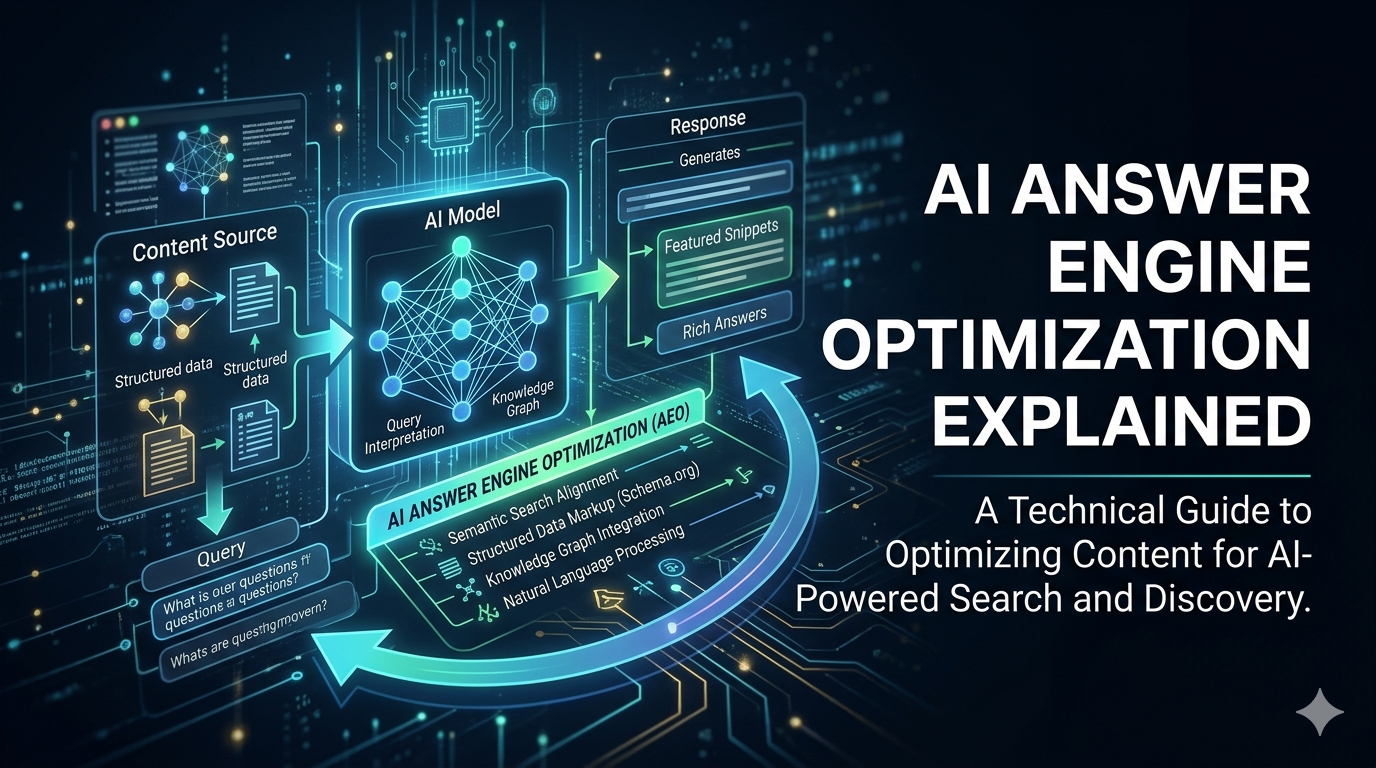
  • AI Answer Engine Optimization Explained

    AI Answer Engine Optimization Explained

    AI Answer Engine Optimization

    The Day AI Changed Search: A Personal Account

    I vividly recall the day the transformation struck. It wasn’t a slow burn; a sudden tremor that rippled across the digital marketing terrain. Clients started posing different questions, their worries seasoned with a fresh term: AI Answer Engine Optimization. Their concern wasn’t merely about visibility; it was about embodying the answer. Merely being discoverable was insufficient; they craved comprehension. The ascent of AI-driven search heralded an essential alteration in our content strategy, SEO practices, and user interaction methods. That day, AI Answer Engine Optimization shifted from being a luxury to a necessity.

    Within this guide, we’ll navigate the complexities of AI Answer Engine Optimization, examining the tactics, methods, and essential perspective adjustments required to flourish in this novel age. We will reveal how AI interprets what users really want, how to structure content for optimal AI understanding, and how to cultivate a brand that connects with both computing systems and real people. Prepare yourself to learn all you should know about AI Answer Engine Optimization.

    Understanding the AI-First Search Landscape

    The digital realm has consistently been a competition for focus. Search utilities functioned as arbiters, arranging the disorder to give users suitable outcomes. For a long time, that intended adjusting for precise words, assembling pathways, and playing the framework. Yet, AI revised the principles. Search utilities grew into clever reply frameworks, prepared for understanding complex demands and conveying direct, succinct responses. This change requests another strategy: AI Answer Engine Optimization.

    This modern model turns on seeing the subtleties of what users truly need. It’s not simply what individuals enter into the pursuit box; it’s the inquiries they’re truly postulating. AI calculations break down search demands, thinking about setting, area, search history, and sentiments to unravel the basic need. To succeed with AI Answer Engine Optimization, you must turn into a specialist in foreseeing and replying to these necessities, giving valuable, exhaustive data that fulfills the user’s look for information.

    Why Traditional SEO Isn’t Enough Anymore

    Conventional SEO fixated on positioning for watchwords. It was a volume play, focusing on as numerous pertinent terms as conceivable. While watchwords still count, they’re not any more the only determinant of victory. AI Answer Engine Optimization requests a more all-encompassing approach. It’s near making substance that not as it were positions well but moreover gives real esteem, replies to questions completely, and sets up your brand as a reliable specialist. Consider it moving from an announcement to an educated discussion.

    The alteration is critical. Embedding watchwords into your substance or building low-quality pathways might have worked in the past. Presently, AI calculations punish such strategies, prioritizing substance that’s well-written, informative, and user-friendly. AI Answer Engine Optimization requires a center on quality over sum, pertinence over redundancy, and user involvement over calculation control. Those who hold to ancient strategies will discover themselves rapidly cleared out behind within the race for search visibility.

    The Core Pillars of AI Answer Engine Optimization

    AI Answer Engine Optimization isn’t some mystical expertise. It’s a strategic approach built on solid standards. Let’s break down the core pillars that support successful AI Answer Engine Optimization:

    • Content Excellence: High-quality, comprehensive, and well-structured content is key. It should comprehensively address user questions and offer valuable insights.
    • Schema Markup: Use schema markup to aid search engines in deciphering the context and significance of your content. This boosts the probability of your content showing up in rich snippets and knowledge graphs.
    • Natural Language Processing (NLP): Grasp how AI computing systems handle language. Use ordinary language, dodge specialized language, and highlight clear communication.
    • User Experience (UX): Assure that your web space is easy to use, optimized for mobile devices, and provides a simple browsing involvement. Page speed, web space structure, and ease of use are fundamental components.
    • E-A-T (Expertise, Authoritativeness, Trustworthiness): Show ability in your field, set up your brand as a specialist, and build trust with your group of onlookers.

    Each is connected, and overlooking any one can sabotage your AI Answer Engine Optimization endeavors. See them as the legs of a stool; on the off chance that one is feeble, the whole structure collapses.

    Crafting Content That Speaks to AI and Humans

    Making content for AI Answer Engine Optimization requires a sensitive adjust. You must compose for both AI calculations and human perusers, fulfilling their individual needs. This is often how to strike that adjust:

    • Focus on Answering Questions: Structure your content around replying to particular questions that your target audience is inquiring. Use clear headings, subheadings, and bullet points to supply brief answers.
    • Use Natural Language: Compose in a normal, conversational tone. Dodge specialized language and specialized terms that will confuse readers.
    • Provide In-Depth Information: Cover subjects comprehensively, giving profitable insights and supporting evidence. Point to be the definitive asset on the subject.
    • Optimize for Readability: Use brief paragraphs, clear sentences, and visual aids to improve readability. Make your content simple to filter and digest.
    • Incorporate Visuals: Use pictures, recordings, and infographics to break up content and improve engagement. Visuals can moreover offer assistance clarify complex concepts and make your content more memorable.

    The key is to create content that’s both informative and engaging, giving esteem to both AI calculations and human readers. Keep in mind, AI Answer Engine Optimization is around fulfilling the needs of both.

    Leveraging Schema Markup for Enhanced Understanding

    Schema markup is a effective apparatus for AI Answer Engine Optimization. It’s a vocabulary of code that you can add to your web space to supply search engines with more information about your content. Consider it a cheat sheet for AI, helping it understand the setting and meaning of your pages.

    By actualizing schema markup, you can tell search engines what your content is around, what type of content it is (e.g., article, product, event), and who the author is. This can improve the probability of your content being featured in rich snippets, knowledge graphs, and other search engine features.

    There are different types of schema markup accessible, each planned for diverse types of content. A few of the foremost commonly utilized types include:

    • Article: For news articles, blog posts, and other composed content.
    • Product: For information about products you offer.
    • Event: For details about upcoming events.
    • Organization: For information about your trade.
    • Person: For details about individuals.

    Actualizing schema markup can be specialized, but there are numerous tools and assets accessible to assist you. On the off chance that you’re not comfortable working with code, consider utilizing a schema markup generator or enlisting a web developer.

    Mastering Natural Language Processing for AI

    Natural Language Processing (NLP) is the field of computer science that bargains with the interaction between computers and human language. It’s the innovation that empowers AI calculations to understand, translate, and create human language. Understanding NLP is vital for successful AI Answer Engine Optimization.

    By understanding how AI calculations handle language, you can optimize your content to be more effortlessly understood. Here are a few key NLP concepts to keep in mind:

    • Keyword Extraction: AI calculations identify the foremost critical watchwords in your content. Use pertinent watchwords naturally all through your content.
    • Sentiment Analysis: AI calculations analyze the emotional tone of your content. Keep up a positive and engaging tone.
    • Entity Recognition: AI calculations identify individuals, places, and organizations specified in your content. Use appropriate things accurately and consistently.
    • Topic Modeling: AI calculations identify the primary subjects secured in your content. Guarantee your content is focused and covers pertinent topics.

    By mastering NLP, you can create content that resonates with AI calculations and human perusers alike. AI Answer Engine Optimization is, after all, around bridging the gap between the two.

    The Importance of User Experience in AI-Driven Search

    User involvement (UX) is a critical factor in AI Answer Engine Optimization. Search engines prioritize web spaces that give a positive user involvement, rewarding those that are quick, mobile-friendly, and simple to navigate.

    Here are a few key UX considerations for AI Answer Engine Optimization:

    • Page Speed: Optimize your web space for speed. Use a content delivery network (CDN), compress pictures, and minimize code.
    • Mobile-Friendliness: Guarantee your web space is responsive and provides a simple involvement on mobile devices.
    • Site Architecture: Organize your web space logically and create a clear navigation structure.
    • Accessibility: Make your web space available to users. Take after ease of use rules (WCAG) to guarantee your content is usable.
    • Content Layout: Use clear headings, subheadings, and bullet points to form your content simple to examine and scan.

    A positive user involvement not as it were improves your search rankings but moreover increases engagement, reduces bounce rates, and drives conversions. AI Answer Engine Optimization is in the long run about giving esteem to users, and UX is a key component of that value.

    E-A-T: Building Expertise, Authoritativeness, and Trust

    E-A-T (Expertise, Authoritativeness, Trustworthiness) is a set of rules that Google utilizes to assess the quality of web spaces. It’s a critical factor in AI Answer Engine Optimization, as search engines prioritize web spaces that illustrate tall levels of E-A-T.

    Here’s how to build E-A-T for your web space:

    • Expertise: Illustrate ability in your field by making high-quality, informative content. Cite believable sources and give confirmation to back your claims.
    • Authoritativeness: Set up your brand as an specialist by building a solid presence. Get specified in trustworthy distributions, earn pathways from authoritative web spaces, and lock in along with your group of onlookers .
    • Trustworthiness: Build trust along with your group of onlookers by being straightforward, fair, and solid. Give exact information, secure user information, and address client concerns promptly.

    Building E-A-T takes time and effort, but it’s basic for long-term victory in AI Answer Engine Optimization. Center on giving esteem to your group of onlookers, and your E-A-T will naturally improve.

    Measuring the Success of Your AI Answer Engine Optimization Strategy

    Measuring the victory of your AI Answer Engine Optimization endeavors is vital for identifying what’s working and what’s not. Here are a few key measurements to track:

    • Rankings: Screen your rankings for pertinent watchwords. Use a rank following instrument to track your progress over time.
    • Organic Traffic: Track the sum of natural activity your web space gets. An increment in natural activity could be a sign that your AI Answer Engine Optimization endeavors are paying off.
    • Click-Through Rate (CTR): Screen the click-through rate of your search results. A higher CTR demonstrates that your search snippets are compelling and pertinent.
    • Bounce Rate: Track the bounce rate of your web space. A lower bounce rate demonstrates that users are finding your content engaging and valuable.
    • Conversion Rate: Screen the conversion rate of your web space. An increment in conversion rate could be a sign that your AI Answer Engine Optimization endeavors are driving trade results.

    By following these measurements, you can pick up profitable insights into the adequacy of your AI Answer Engine Optimization technique and make data-driven decisions to improve your results.

    The Future of AI Answer Engine Optimization

    AI Answer Engine Optimization is an developing field, and the strategies that work nowadays may not work tomorrow. It’s vital to remain up-to-date on the most recent patterns and best hones to keep up a competitive edge. Here are a few key patterns to watch:

    • Increased Personalization: AI calculations are getting progressively advanced at personalizing search results. Anticipate to see more personalized content and proposals .
    • Voice Search Optimization: Voice search is developing in ubiquity, and optimizing your content for voice search is getting progressively important.
    • AI-Powered Content Creation: AI is being utilized to create content, and this pattern is likely to continue. However, human oversight will still be vital to guarantee quality and accuracy.
    • Focus on User Intent: Understanding user plan will ended up indeed more critical as AI calculations ended up more advanced. Center on giving esteem to users and fulfilling their needs.

    The long run of AI Answer Engine Optimization is bright, and those who adjust to the changing scene will be well-positioned to succeed. Grasp the control of AI, center on giving esteem to users, and remain ahead of the curve.

    Embracing the AI Revolution: Final Thoughts

    The move to AI Answer Engine Optimization isn’t fair a alter in strategies; it’s a basic move. It’s around moving absent from controlling calculations and toward understanding and serving users. It’s around making content that’s not as it were informative but moreover engaging, valuable, and trustworthy.

    By grasping the standards of AI Answer Engine Optimization, you can open the control of AI to drive activity, improve engagement, and accomplish your trade goals. It’s a travel that requires continuous learning, adjustment, and a commitment. So, take the primary step nowadays and set out on the way to AI Answer Engine Optimization victory. The long run of search is here, and it’s fueled by AI.

    As AI proceeds to advance, so too will the strategies and procedures required to succeed within the world of search. Remaining educated, versatile, and focused on user involvement will be key to opening the complete potential of AI Answer Engine Optimization. This isn’t almost positioning higher; it’s around getting to be the trusted source of information in an progressively complex digital landscape. The opportunity to associate with users in a more significant and impactful way is inside reach, and AI Answer Engine Optimization is the key to unlocking that potential. Grasp the challenge, and you’ll discover yourself not fair surviving, but thriving within the age of AI-powered search.
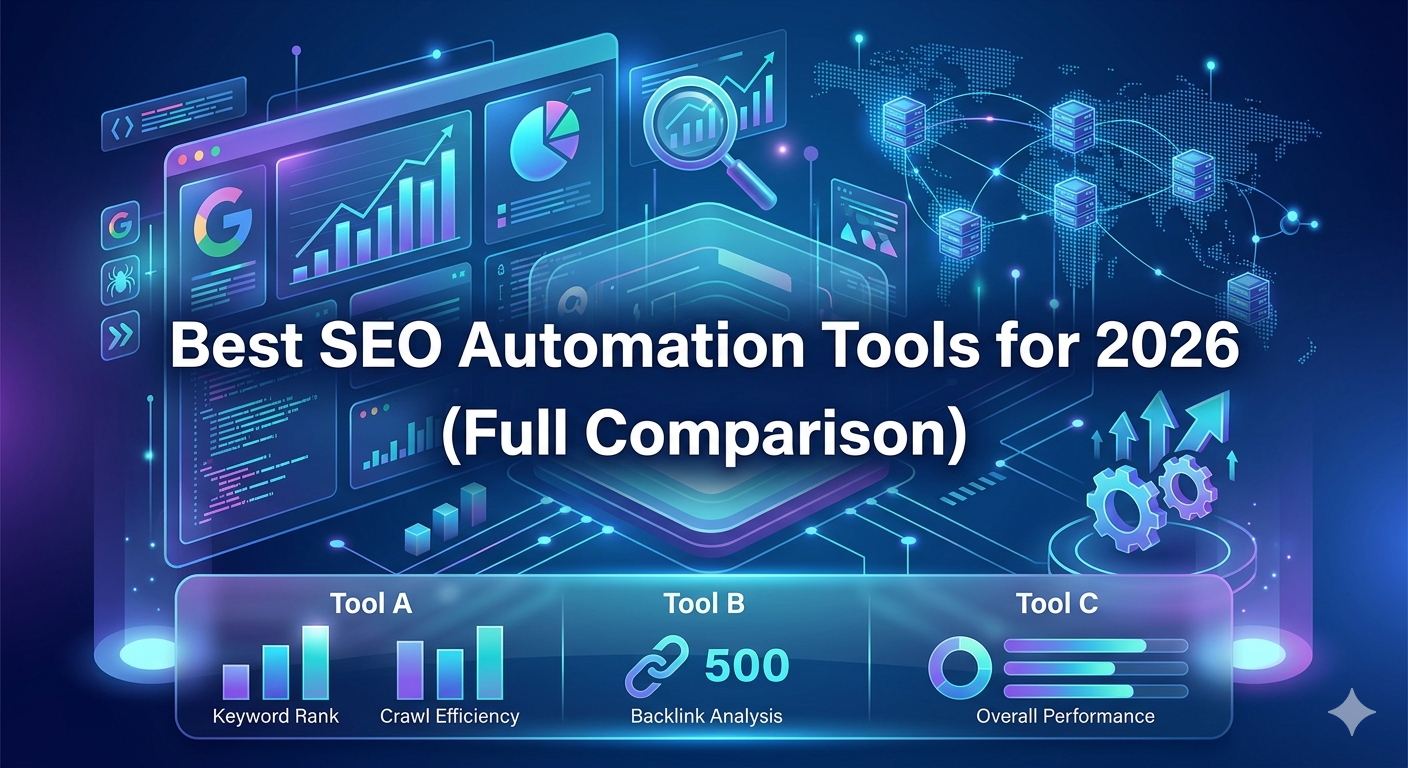
  • Conversational Search Optimization Guide

    Conversational Search Optimization Guide

    conversational SEO

    The Day Search Changed: My Conversational SEO Awakening

    I see it like it was yesterday. Me, glued to a Google Analytics screen. Bounce rates spiking. Engagement? Cratering. The words? Fine. Keywords? Nailed. Yet, nobody stayed. Like howling into the abyss. Then, boom. Search wasn’t keywords; it was chatter. Comprehending the ‘why’ behind the search. The real questions. My plunge into conversational SEO began. Now, I’m sharing. Inside this guide, we’ll dissect optimizing for human-sounding language. We’ll get to the bottom of user intent. And formulate a plan to connect with your audience on a real level.

    What is Conversational SEO Anyway?

    The basics: conversational SEO. Pivot away from just keywords. Sink into grasping, then solving, your audience’s puzzles. Modify what you produce to follow how people actually talk and hunt for details. Toss the robotic stuff, kill the keyword overload. Adopt how people communicate, those extended-form searches, and anticipating needs at each phase. Search engines get smarter, they decipher context, and they elevate worthwhile writing. Voice-driven interfaces and chatbots push this ahead, necessitating an instinctual, human-centered method for search engine optimization.

    The Rise of Voice Search and Its Impact on SEO

    Picture obsolescence of typing. Closer than it seems. Voice is rewriting the rules. Obligating us to overhaul our SEO game plans. Folks chatting with voice? Zero quick keywords. They speak out complete queries, with completely normal language. “Best Italian place” changes to “Hey assistant, good Italian nearby open late?” One’s robotic, the other’s a dialogue, and your conversational SEO scheme must realize that. Voice probes run longer, more detailed, and are frequently geo-focused. To triumph in the age of voice, refine for those lengthy search terms. Get your local SEO dialed in.

    Understanding User Intent: The Key to Conversational SEO

    Sure, keywords matter. More critical? The ‘why’ underneath. User intent: that’s the engine. What are they hoping to find? Data? Hoping to spend? Hunting down a precise URL? Nuances like these, conversational SEO needs you to figure them out. Broadly, intent falls into four bins: Awareness (example: “what is conversational SEO?”). Directed (example: “Facebook login”). Buying (example: “buy athletic shoes online”). Comparison (example: “best standing desk reviews”). To seriously do conversational SEO, ID the intent behind the terms. Craft copy that nails that intention squarely. Vary formats (posts, clips, graphics) that serve different tastes and learning quirks.

    Building a Conversational Keyword Strategy

    Forget keyword-vomiting. Time to converse with keywords. A conversational SEO keyword blueprint aims to ID audience queries. Create content delivering all-inclusive solutions. Start by brainstorming topics related to what you offer. Instruments such as AnswerThePublic and AlsoAsked can reveal the questions people actually ask online. Zero in on extended-form keywords. Longer, more descriptive phrases reflecting natural communication. Typically these have reduced search interest, yet greater odds for sales since they concentrate on a much more precise audience. Thread these phrases smoothly inside what you create. Center on providing genuine value versus blindly stuffing terms. Conversational SEO involves generating confidence and influence, not outsmarting algorithms.

    Optimizing Content for Natural Language

    Write like you would speak (with a bit of editing). Conversational SEO explodes with natural communication. Avoid rigid formality, grab a more talkative air. Shrink words (use contractions). Speak right to who’s reading. Pour character into your copy. Clarity and readability, key. Shorten huge blocks into more digestible pieces. Apply headers, sub-headers, bullet lists to ease visual consumption. Think about utilizing a readability tool. Assess the level, ensure it suits the audience. Create something informative and stimulating. Conversational SEO joins with an audience on their frequency. That ignites with language they naturally comprehend.

    Leveraging Long-Tail Keywords in Your Conversational SEO Strategy

    The genius of conversational SEO surfaces via long-tail keywords. Extended, very detailed phrases people search while closer to buying. Or those hunting specific info. Avoid the keyword “coffee.” Instead, aim at “where to buy fair trade organic coffee beans online.” Lengthier terms deliver numerous pluses. Lower odds. It’s simpler ranking with them. They attract a more suitable audience. People inputting those phrases usually are nearing a purchase, or action. To maximize those extended phrases, dig into audience needs and complaints. Ponder their questions. The problems they aim to fix. Tools built for keyword research highlight extended keyword possibilities. Generate content zeroing in on those requirements. Conversational SEO celebrates the accuracy of those searches.

    Schema Markup: Helping Search Engines Understand Your Content

    Schema markup acts as a guide for algorithms. Some code you weave onto your website. It feeds more details about your content. Such input empowers algorithms to digest the context. Display results more effectively. Inform the engines a section covers a recipe, an item critique, or event data. Numerous schema markups exist. The proper form is dictated by your content. Weaving in schema markup could elevate your rankings. It could boost click-through rates. And escalate traffic heading for your domain. A crucial aspect of conversational SEO. It supplies context enabling algorithms to grasp the purpose, and match with aligned content.

    Optimizing for Featured Snippets and Rich Answers

    Highlighted snippets and lush replies represent the ultimate goal in conversational SEO. Small segments of data floating atop search results. Quick, specific answers to the question posed. Tuning for these snippets may dramatically lift your visibility. Pull extra web traffic. To do this tuning, produce content replying to general questions with precise, digestible language. Employ headers, sub-headers, bullets, and numbered lists to arrange data easily read by algorithms. Try to deliver a thorough, trustworthy response. Track your ranks to see which pages already hit those highlighted results. Locate spots to further optimize. Conversational SEO puts a premium on the best answer, delivered quickly.

    Mobile-First Indexing and Conversational Search

    Google flipped to indexing the mobile view first. That view gets used to determine placement. Meaning ensuring the site runs smoothly on mobile is vital. Mobile-optimized means painless to navigate from a mobile device. Quick loading, responsive design, fluid experience. This indexing also affects conversational SEO. Frequently those chats begin on a mobile device. Optimizing the content for mobile voice searches is fundamental. Focus on those lengthy terms, human language, and native-based SEO. Validate the mobile-optimized setup for voice. To thrive in the age of mobile-centric placement. Conversational SEO necessitates this mobile consideration.

    The Role of Local SEO in Conversational Search

    Regional SEO is paramount for outfits servicing a defined geographic area. In conversational SEO searches targeting nearby shops, folks typically throw location-based phrases in. “Find pizza here”, or “nearest gas station open?” Maximizing regional SEO involves claiming and refining Google My Business entries. That directory shows details – address, number, hours, website. Keep that data precise and current. Urge consumers to publish reviews inside Google. Reviews lift placement. Fine-tune your domain using regional terms. Inject location info onto title labels, meta descriptions, and the body. Also, constructing local mentions (listing the business name, location, number on external sites) can improve local SEO. Much of conversational SEO plays at the native level. Fine-tune accordingly.

    Using Chatbots to Enhance Your Conversational SEO

    Chatbots provide robot assistants connecting with clients via your domain or messaging tech. Chatbots strengthen conversational SEO. They provide immediate answers, guide consumers through ordering, harvest valuable information about requirements. By knowing the questions consumers ask, improve the content to more effectively satisfy demands. Chatbots highlight recent long-tail prospects. Generate targeted content. A chatbot on your website elevates client happiness, expands participation, improves rankings. They supply a clear contact link, priceless insight on the audience’s voice. Conversational SEO is enriched via chatbots’ interactive design.

    Measuring the Success of Your Conversational SEO Efforts

    As with all plans, measuring conversational SEO progress is critical. Track placements with intended search terms. Watch incoming traffic and involvement metrics (bounce rate, session duration, views per session). Monitor organic hunting traffic. That shows directly the impact of your SEO output. Examine keyword placements to check which generate the biggest traffic. Employ analytics to monitor conversions (leads, sales, signups). Gauge the outcomes to pinpoint strengths and weaknesses. Then modify appropriately. Keep assessing and refining to unlock optimal results. Conversational SEO demands persistent checks and tailoring.

    The Future of Conversational SEO

    Conversational SEO has a bright path forward. As search algorithms refine more and vocal hunting gains momentum, fine-tuning for human language will only become extra important. Artificial intelligence and machine learning will occupy a growing part in SEO. Tools driven by AI support comprehension of user intent, identification of keyword prospects, and crafting of content personalized to your audience demands. As tech morphs, remain current on trends and practices. Embrace change, try out schemes, keep adapting the approach. Focus on providing value, building real connections. Conversational SEO isn’t just a fad; that is where searching goes.

    Putting It All Together: Building Your Conversational SEO Strategy

    To recap. Forging a conversational SEO roadmap isn’t about tricks. It hinges on deeply grasping your audience. And generating content genuinely answering their puzzles. Kick off with total keyword exploration, emphasizing lengthier phrases and puzzles. Next, create grade-A, rich content. Directly answer questions with a smooth, talkative tone. Fine-tune results for snippets and detailed answers. Guarantee the domain runs smoothly on mobiles. Optimize for vocal probing. Employ regional SEO to contact consumers near you. Thread schema markups to aid algorithms digest the material. Ponder chatbots to strengthen client service, amass vital data. Gauge the effects, constantly modify the roadmap. The field of conversational SEO seems limitless. The positives are worthy of effort. Conversational SEO is a journey, not a destination. Keep studying, keep experimenting, keep connecting to your people.

    Conclusion: Embrace the Conversation

    That initial realization staring at analytics sparked strategies we’ve dissected. This path into conversational SEO has revolutionized things. Core takeaways appear: Comprehend intent, refine language, embrace longer phrases, prioritize mobiles. Conversational SEO transcends a technique. That becomes a fundamental shift in how we approach hunting. It entails forging bonds, delivering worth, seriously grasping audience needs. As hunting progresses, conversational SEO‘s tenets simply grow further. Embrace the conversation. Watch rankings explode.