Author: Jerryton Surya

  • How to Find Keywords Your Competitors Rank For

    How to Find Keywords Your Competitors Rank For

    How to Find Keywords Your Competitors Rank For

    The Digital Sleuth: Digging Up Your Rivals’ Keyword Secrets

    Picture yourself: a digital sleuth. Your kit? Tools to decode the secret plans of those you compete with online. That’s the core of competitor keyword research. This isn’t imitation. It’s understanding. Adapting. Ultimately, doing better. Right, and done well, it cracks open a chest of ways to draw in organic eyes, jack up your search engine spots, and plant your flag as the name in the game. You see where the fight is, know the lay of the land, then plant your flag for the win.

    This is your guide, your journey. We’ll dive into becoming a master of competitor keyword research. Tricks, tools, plans – all here. You’ll sniff out what words they’re using to rank, dissect their content plans, and find open doors to make content that speaks to who you want to reach. Gear up to flip your SEO. Watch your rivals sweat, wondering how you pulled it off.

    Why Sweat Competitor Keyword Research?

    Think: Your rivals? They’re already sweating. They’ve sunk time, money, grit into nailing the words that pull eyes and convert lookers to buyers. Competitor keyword research? It lets you pick their brains, learn from their wins (and their face-plants), and grab the edge. You get a peek at their notes, to guess their next play and answer with your own.

    More than just words, competitor keyword research shines a light on:

    • Content holes: Spots they haven’t touched. Your shot to make something no one else has.
    • Search reason: Why folks type what they do. Shape your content to fit what they want.
    • Link chances: Sites linking to your foes? Maybe they’ll link to you, too.
    • New waves: Spot new words and subjects gaining steam in your zone.

    Bottom line? Competitor keyword research means smart calls. Step away from guessing. Plant your SEO plan on solid info. Not just working hard, but smart. Best bang for your buck.

    Step-by-Step: Peeling Back Competitor Keyword Plans

    Let’s get into the grit of doing competitor keyword research right. Not a one-size deal. It’s a walk needing thought, work, and looking at the numbers. But fear not! We chop it down to size.

    Step 1: Knowing Your Real Rivals

    Sounds easy. But nail down the right rivals. Don’t just eye the giants. Look to the sites that fight for the same words as you. Even if smaller, unknown. Those? Your true organic rivals.

    How to spot them:

    • The Search Engine: Type in your top words. See who pops up, again and again.
    • SEO Helpers: Tools like Semrush, Ahrefs, or Moz can show who shares words with you.
    • Know the Game: You know your zone. Who’s fighting for the same buyers?

    List 3-5 key names to watch. Lets you go deep, without drowning.

    Step 2: Tool Time: Picking Your Weapons

    Doing it by hand? Okay. But SEO tools? Key for doing competitor keyword research fast and well. They lay out facts and views you just can’t get on your own. Here are some top guns:

    • Semrush: All-in-one SEO. Words, rivals, site check it does it all.
    • Ahrefs: Another big name. Known for digging deep into links and words.
    • Moz Pro: Easy to use, full of SEO tools. A fave for many.
    • SpyFu: Focuses hard on competitor keyword research and ad spying.
    • SERPwoo: Real-time search data. Watch words and rival moves.

    Most have free trials. Test a few, see what clicks. Pick the one that hands you the data and power you need for your competitor keyword research goals.

    Step 3: Keyword Gold: Seeing What They Rank For

    Now the fun! Plug your rival’s site into your tool. See what words they win with. Look for:

    • Top Words: The words that pull the most eyes to their site.
    • Rank Spots: Where they land for each word. Top spots? Hot targets.
    • Search Size: How many folks search each word. Go for the big numbers.
    • Word Fight: How hard to rank for each. Pick fights you can win.
    • Traffic Cost: How much they spend on ads for the words they rank for the natural way.

    Eyes peeled for long-tail words. Longer phrases, less fight. Easier to win, and pulls in folks who know what they want.

    Dump the word facts into a sheet. Get it all set up to make smart calls.

    Step 4: Content is Boss: Taking Apart Their Plan

    Knowing the words they use? Half the fight. Now, see how they use them. Pick apart their top pages. See:

    • Content Style: Blog posts? Guides? Clips? What do they use?
    • Content Size: How long are their pieces? Deeper pieces tend to win more.
    • Word Play: How often, how natural, do they drop the key words?
    • Content Look: How’s it set up? Heads, subheads, dots? Make it easy to read.
    • More Than Words: Photos? Clips? Do they spice it up?

    Spot patterns. What’s hot? What voice do they use? How do they grab folks?

    This hands you clues on what wins in your zone. How to make it even better.

    Step 5: Link Breakdown: Where Do They Get Links?

    Links make you stand tall. Cracking their link profile can show you where to get your own. Use an SEO tool to check:

    • Link Homes: Which sites link to them?
    • Link Words: What words do they use for the links?
    • Link Class: How strong, how on-topic are the linking sites?

    Find top sites linking to many of your foes. Hit those spots for your own links. Ask to guest post. Hand out words of praise. Or just show them your top-class content.

    Look for dead links on their sites. Tell the link homes to swap the dead link for yours. Competitor keyword research? It touches even links.

    Step 6: Gap Check: Untapped Power

    Now you have the goods. Time to find holes in their plans. Look for:

    • Words They Miss: Hot words they don’t touch?
    • Content Holes: Subjects they don’t cover right?
    • Link Holes: Spots to link that they skip?

    These are your shots. Make killer content. Draw more eyes. Plant your flag.

    Step 7: Action Time: Make It Real

    Last step: Make it happen. Use what you found from competitor keyword research to:

    • Tune Your Content: Twist what you have to hit the right words.
    • Make New Content: Fill the holes in their plans with fresh stuff.
    • Build Links: Chase link chances. Stand tall.

    Watch your gains. Twist as needed. Competitor keyword research? Never stops. Keep watching. Shift your plan.

    Advanced Tricks for the Smart SEO

    Got the basics down? Time to get deep with competitor keyword research.

    Word Groups

    Group words by what folks want. Make deeper, sharper content. Nail what they want. Spot the groups your rivals hit. Make content that owns the whole subject.

    Search Page Study

    Check the search page for your top words. Blog posts? Clips? Photos? What wins? Note the extras. Featured spots? Info boxes? See what the search engines want. Shape your content to win high spots.

    Local Rival Study

    Local eyes on you? Do local competitor keyword research. Find the local names that rank for your words. Check their online game. Google spots? Site content? Local mentions?

    Mobile Rival Study

    Folks search on phones. Think mobile when doing competitor keyword research. Check their mobile sites and apps. How do they win mobile users? Mobile words? Mobile content? Mobile feel?

    Tools Beyond the Usual Crew

    Semrush, Ahrefs, Moz are big. But other tools can pump up your competitor keyword research. New tricks. Focus on parts of rival study.

    • SimilarWeb: Checks site eyes, user types, rival plans.
    • Majestic SEO: Link digging. Deep info on site link maps.
    • SE Ranking: SEO tools. Word study, rival check, site scan.
    • Alexa: Site eye counts. Rival info.
    • Ubersuggest: Free (with pay extras) word tool. New word ideas. Rival check.

    Do It Right: The Good Way

    Competitor keyword research? Learn from rivals, not copy. Stay clean. No tricks. Don’t scrape their sites. Don’t steal their words. No black hat moves.

    Make killer content that beats theirs. Hand out real worth. Build a strong name. That wins in SEO for the long run.

    Always On: Staying Ahead

    SEO? Always moving. Search engines shift. New tech pops up. Keep watching your foes. Twist your plan.

    • Word Spots: Watch their word spots shift over time.
    • Content Plan: See new subjects and styles.
    • Link Map: Where do they get links? What words do they use?

    Hit trade shows. Read SEO blogs. Talk on forums. Stay sharp. Shift your plan.

    Bottom Line: Own Your Space

    Competitor keyword research? Strong tool. Cracks open SEO power. Own your space. Know your rivals. Make better content. Build more links. Draw more eyes.

    Remember: Competitor keyword research never stops. Keep watching. Keep twisting. Take the dare. Win your SEO game.

    So, grab your tools and smarts. Turn on your digital eye. Crack the secrets of your rival’s word plans today! Your SEO climb starts now.

    The Future of Competitor Keyword Research

    AI and machines grow. Competitor keyword research will see deeper data looks and helpers. AI tools will spot things humans miss. Deeper rival looks.

    Voice search grows too. Winning voice search needs a new take on competitor keyword research. Hit long-tail words. Real talk that folks use with their devices.

    Stay sharp. Twist as needed. Learn forever.

    Last Word: Turn Looks into Moves

    Competitor keyword research? More than just facts. Make those looks turn into real moves that win. Use what you learn. Spot chances. Make changes that pump up your site.

    Don’t just hoard facts. Use them to drive your content, your links, your whole SEO game. The better you turn looks into moves, the better you win for good.

    Good luck, and happy digging!

  • What Are Long Tail Keywords

    What Are Long Tail Keywords

    What Are Long Tail Keywords

    The Tale of the Unexpected Keyword: Embracing Long Tail Keywords

    Picture a vast ocean. An ocean teeming with life, a kaleidoscope of fish. Broad keywords? They’re a net cast wide, a hopeful, indiscriminate drag. But imagine targeting a single, specific species. The ones that truly matter. That’s the magic. That’s where long tail keywords come alive. More than mere words; they’re sonar. Guiding the right audience to your digital haven. Dive in! We’ll explore the depths of these potent phrases and reveal how to wield their strength. Transform your SEO.

    The Essence of Long Tail Keywords

    Long tail keywords? Think longer, laser-focused phrases. What people whisper to search engines when this close to buying. Or when speaking to their devices. “Best organic lavender soap for sensitive skin.” Typically three words, minimum. “Shoes” versus “comfortable walking shoes for women over 50.” See? The difference? Precision. Shorter terms? Bigger searches, fiercer battles. Long tail keywords? Smaller searches, but far less crowded. This is their secret weapon. Dodge the mega-fight for popular terms. Instead, capture highly qualified clicks. People who know what they need.

    Why Long Tail Keywords Matter: The SEO Advantage

    The allure? Attracting a razor-focused audience. Specific phrase? Clear intent. They’re hunting, not browsing. A solution. An answer. Your product. Optimize for long tail keywords? You’re a beacon. A digital lighthouse. Your website appears exactly when needed. Higher clicks. Lower bounces. Surging conversions. All vital for SEO gold.

    Scenario: “Best vegan cupcakes near Union Square open late.” Bingo! Classic long tail keyword. They crave vegan cupcakes, close to Union Square, available late. If your bakery’s website sings that song? You win. Far more likely to snag that sweet-toothed customer than simply targeting “cupcakes.” Precision wins. Capturing the ideal customer’s attention.

    Unveiling the Benefits of Long Tail Keywords

    The bounty from targeting long tail keywords? Vast. It extends far past snagging targeted clicks. Let’s dive into the key perks. Why they’re essential to any robust SEO game plan:

    • Reduced Competition: Remember? Fewer rivals. A golden chance to rank higher, even as a smaller venture or a fresh website.
    • Higher Conversion Rates: Ready to buy! They’re practically holding their wallets open. Higher conversion rates? Absolutely.
    • Improved SEO Ranking: One long tail keyword alone? Modest impact. But collectively? A serious boost to your entire SEO standing. Reward? Websites delivering comprehensive, spot-on content. Long tail keywords? Your ticket.
    • Voice Search Optimization: Voice search is here. Conversations happen. People speak longer phrases to their devices. Optimize for long tail keywords. Be discoverable by voice.
    • Content Ideas: Brainstorming fuel! They expose audience needs. The burning questions. Tailor content directly to those pain points.

    Finding Your Long Tail Keywords: A Treasure Hunt

    Unearthing the right long tail keywords? A quest. Research, analysis, deep audience understanding needed. Proven tactics to discover these hidden gems:

    • Google Autocomplete: Type a broad term into Google. Watch the suggestions. Real searches people are making right now. Golden long tail keywords revealed!
    • “People Also Ask” Section: Google search complete? Scroll down. Questions related to your query. More long tail keywords!
    • Keyword Research Tools: Leverage them. Analyze search volumes. Size up the competition. Unearth long tail keywords.
    • Analyze Competitor Content: Snoop on rivals! What long tail keywords are they targeting? Learn from their successes.
    • Customer Feedback: Listen! How do customers describe needs? Problems? Review emails, tickets, social media. Potential long tail keywords are hiding there!
    • Forum and Q&A Sites: Quora! Reddit! Goldmines. The questions, the worries of your audience laid bare. Long tail keywords galore.

    Crafting Content That Speaks: Integrating Long Tail Keywords

    Long tail keywords identified? Now, weave them in. Do it naturally! Avoid stuffing. It hurts your ranking. Create content packed with value. Informative. Engaging. Here’s how to do it right:

    • Use Keywords in Headlines and Subheadings: Signal clearly! Tell users and search engines what your content is about.
    • Weave Keywords Naturally into the Body Text: Organically! No forced phrasing. Answer their questions. Give helpful, relevant info.
    • Optimize Meta Descriptions: Compel clicks! Summarize accurately. Entice visitors from the search results page.
    • Use Keywords in Image Alt Text: Help search engines understand. Improve accessibility. Descriptive alt text wins.
    • Create Long-Form Content: Blog posts! Articles! Guides! Dive deep. Comprehensive info. Address a wide array of questions.
    • Answer Specific Questions: Structure your content. Directly answer what users are asking. Highly relevant. Immensely valuable.

    Analyzing and Refining: The Continuous Journey

    Long tail keywords? Not a one-shot deal. Constant tweaking is vital. Monitor. Analyze. Adapt. Track performance. Which long tail keywords are driving traffic? Conversions? Tweak and refine. Repeat.

    Watch search trends. User behavior. What new questions arise? New industry topics? Stay nimble! Adjust your content. Always target the best, most effective long tail keywords.

    The Long Tail Keyword Transformation: Real-World Examples

    Proof? Here’s how businesses have conquered long tail keywords and reaped rewards:

    • Example 1: Coffee E-commerce Ditch “coffee.” Embrace “best shade-grown Sumatran coffee beans for pour-over.” Attracts discerning coffee aficionados.
    • Example 2: Local Plumber Forget “plumber.” Target “emergency drain cleaning service downtown open holidays.” Catches those in immediate crisis.
    • Example 3: Online Marketing Agency Beyond “marketing agency.” Aim for “marketing assistance for local businesses specializing in lead generation.” Attracts ideal clientele.

    Targeted audience acquired! Conversion rates soared! SEO amplified!

    Common Pitfalls to Avoid: Navigating the Long Tail Landscape

    Beware! Obstacles exist. Here’s how to dodge them:

    • Ignoring Search Intent: Align content! “How to unclog a toilet?” They want a DIY guide, not a sales pitch.
    • Keyword Stuffing: Resist! It hurts your SEO and offends readers.
    • Neglecting Content Quality: Don’t sacrifice quality! Informative, engaging content comes first.
    • Failing to Track Results: Monitor. Analyze. Adapt. Data guides your decisions.
    • Overlooking Mobile Optimization: Mobile is massive! Google prioritizes mobile-friendly sites.

    Long Tail Keywords: Your SEO Compass

    The SEO world evolves. Long tail keywords? Your compass. More targeted. More effective. Unlock opportunities! Attract qualified traffic! Surge conversions! Achieve your business goals! It’s a marathon, not a sprint. Embrace the power!

    Create resonance! Amplify engagement! Surge conversion! Strengthen your presence! Understand intent! Craft content that speaks directly!

    The Future of Search: Long Tail Keywords and Beyond

    Search engine algorithms shift. Long tail keywords become more vital. Relevancy reigns! Answer questions! Serve your audience! Reap the rewards!

    Expect smarter tools. More sophisticated tactics. AI helps businesses grasp behavior. Predict trends. Master the art. Stand out! Succeed! It’s not just length. It’s the connection. Right audience. Right time. Deliver value. Drive conversions. Embrace specificity! Understand intent! Watch your SEO bloom!

    Concluding the Saga: Long Tail Keywords as Your SEO Ally

    The saga of long tail keywords? Opportunities abound! Focus! Personalization! Strategic approach!

    Your SEO ally! Targeted! Effective! Unleash the power! Learn the secrets! Thrive! Engage your audience! Convert traffic! Win the digital battle!

  • What Is Search Intent in SEO

    What Is Search Intent in SEO

    What Is Search Intent in SEO

    The Day I Realized Search Intent Was Everything

    I can still picture it. For weeks, we toiled, constructing what we believed to be the definitive blog entry. Painstakingly researched. Beautifully designed. Overflowing with what *we* considered gold. And yet… it sat there. Page three. Google’s Siberia. Unseen. Unloved. That’s when it slammed me. The analytics. The cold, hard data. Search intent. We were crafting answers… to questions nobody bothered to ask.

    This entry? A preemptive strike. I want to ensure *you* sidestep that same abyss. Let’s plunge into the core of search intent. Why it’s non-negotiable for search engine optimization. And, crucially, how you wield it to forge content that doesn’t just rank, but connects.

    What Exactly Is Search Intent?

    At its foundation? Search intent also known as user intent. It’s the engine *behind* the query. The *why*. The reason someone hammers those specific terms into that search bar. The destination they crave. The puzzle they’re determined to solve. The data they desperately need. Moving beyond mere keywords? That’s child’s play. True understanding? Deciphering the subconscious yearnings. The unspoken desires fueling that search.

    Consider this: someone punching “amazing pizza delivery nearby” isn’t after a dry directory. They’re hungry. *Now*. They need food. Urgently. Price? Ambiance? Menu? Contenders, certainly. And the soul frantically Googling “repair punctured bicycle tire”? Step-by-step guidance is crucial. Maybe images. An urgent crisis demands immediate remedy. Nail that search intent. Craft content that truly satisfies. And, the search engines… they’ll smile upon you.

    Why Search Intent Matters for SEO

    Past days? SEO was the Wild West. Keyword stuffing. Link trickery. Often enough to seize the rankings. Today? Modern algorithms especially Google’s – possess sophistication. They champion legitimate worth. Content that laser-targets the user’s precise craving. Enter: search intent.

    When your content sings in harmony with search intent? You’re essentially whispering to the algorithm:  This is precisely what they seek. And that harmony? It unlocks a treasure chest:

    • Higher Rankings: Satisfy the quest, and the algorithm rewards you. Craft material that speaks directly to those needs. Watch your standing ascend.
    • Increased Organic Traffic: Ascended rankings? A torrent of traffic. Prominence in those results equates to a click frenzy.
    • Improved User Engagement: Content that resonates? Users glued to the screen. They linger. They read. They explore.
    • Lower Bounce Rate: Mismatch the intent? Expect a rapid exodus. A high bounce rate screams irrelevance to the algorithms. Alignment equals engagement, a signal of value.
    • Better Conversion Rates: Fulfill a need, and you trigger action. Subscription? Purchase? Contact? Understand the intent. Watch those rates skyrocket.

    The Four Pillars of Search Intent

    Nuance exists, sure. Yet, generally, search intent coalesces into four core forms:

    1. Informational Intent

    The seekers of knowledge. Answers. Grasping the core of a topic. Keywords? The usual suspects: “what,” “how,” “why,” “who,” “when,” and “where.”

    Example: “how does a nuclear fusion reactor function”? Informational. Plain. Simple. The user craves understanding. Satisfy them with a breakdown. Clear. Concise. Core principles. Potential applications.

    Dominate informational intent by building guides. Tutorials. Definitions. Explainers. Favor clarity. Precision. Exhaustive coverage.

    2. Navigational Intent

    Destination seekers. They know where they want to be. They simply need a guide. A quick route.

    Example: “Amazon customer service contact number.” Navigational, pure and simple. They want the phone number. Directly. Amazon should dominate that result. Winning those queries outright? Daunting. Still, understand it. Use it to inform your broader approach.

    Believe they seek you through navigation? Ensure you’re easily unearthed. Brand prominent. Site-wide. Optimized Google Business Profile.

    3. Transactional Intent

    Purchase mode. Trigger pulled. Ready to act. Buying. Signing up. Downloading.

    Example: “purchase top-tier noise-canceling headphones.” Transactional fire. Primed to buy. Give them product pages. E-commerce gold. Comparison charts, even.

    To snare transactional intent, build irresistible product stories. Optimize for conversion. Seamless buying. Potent calls to action. Showcase the irresistible nature of your offerings.

    4. Commercial Investigation Intent

    Hybrid time. Informational meets transactional. Contemplating the purchase. Not quite there. Weighing options. Comparing costs. Scouring reviews.

    Example: “leading electric vehicles 2025.” Commercial investigation unleashed. The buyer considers. Needs options. The finest currently available. Satisfy with product analysis. Comparison tables. Buying handbooks.

    To ensnare them? Detailed product teardowns. Comparison articles. Case studies galore. Unbiased truth. Empowered decisions. Highlighting both the shining victories and potential pitfalls.

    How to Identify Search Intent

    Mastering identification? The key. Here’s your arsenal:

    1. Analyze the Search Engine Results Page (SERP)

    The SERP *itself*? A treasure trove. Examine the top performers. What form do they take? Blog post? Product page? Video demo? The dominant form screams the dominant search intent.

    Example: Searching “calibrate dual-suspension mountain bike”? Top results? YouTube tutorials? Visual guidance reigns supreme. Crafting a video walkthrough eclipses writing a blog post.

    Analyze the ranking websites. Authority giants? E-commerce hubs? Review titans? This reveals the credibility and trust the user seeks.

    2. Keyword Research Tools

    Tools like Semrush, Ahrefs, and Moz? Data fountains. Categorization by intent (informational, navigational, transactional, or commercial investigation). Related terms. User questions exposed.

    Example: Digging into “home coffee brewer recommendations”? Tool reveals “coffee maker reviews,” “compare coffee brewers,” and “ideal coffee maker for residential use.” The user is in deep commercial investigation. Craving reviews. Yearning for comparison. Desperate for guidance.

    3. Put Yourself in the User’s Shoes

    Empathy. The finest instrument. Ask: “What do I hope to achieve with this search?” What information am *I* desperate for? What problem consumes *me*? What action ignites my soul?

    Example: Imagine: “puppy obedience methodologies.” You crave actionable strategies. Averting destructive habits. Decoding their needs guides your approach.

    4. Analyze User Reviews and Forums

    A goldmine of unfiltered yearning. Scour reviews. Forums. Discover pain points. Uncover aspirations.

    Example: Researching “task management software suite”? Sites like Capterra or G2 pulse with user experiences. Reveal what delights, what frustrates, what features command unwavering loyalty, and what core problems demand resolution.

    Creating Content That Aligns with Search Intent

    Intent deciphered? Time for alignment. Strategies deployed:

    1. Choose the Right Content Format

    The form must mirror the intent. Information seekers? Blog posts. Guides. Tutorials. Transaction trigger pulled? Product pages. E-commerce havens. Visual learners? Video reigns supreme.

    Example: Targeting “how to fashion a bow tie”? Video instruction trumps written steps. Viewers crave visual demonstration.

    2. Use Clear and Concise Language

    Regardless of form? Clarity. Conciseness. Eschew industry jargon. Avoid baffling terminology. Cut to the chase. Deliver the payload. Swiftly.

    Example: Writing “demystifying machine intelligence”? Launch with a simple definition. Gradually descend into intricacy. Real-world parallels amplify understanding.

    3. Answer the User’s Questions

    Direct answers, delivered decisively. Identify core inquiries. Address them comprehensively. Headings and subheadings enable easy navigation.

    Example: Crafting “uncomplicated fat-loss mechanisms”? Target: optimal approaches, efficient exercises, caloric baselines, and the perils of rapid depletion.

    4. Provide Value and Actionable Advice

    Genuine worth. Usable tactics. Shunning mere regurgitation. Offer fresh insights. Unique angles. Actionable strategies. Give them tangible tools. Solutions they can seize.

    Example: Writing “heightening vocal prowess”? Supply precise techniques. Confident delivery. Practical drills. Exemplary speeches. Resources for advancement.

    5. Optimize for Mobile

    The mobile surge continues. Adapt. Responsive design. Optimized visuals. Mobile-friendly fonts. Effortless readability on every device.

    Grasping search intent is not a static exercise. It is a constant evolution. User behavior morphs. Algorithms sharpen. Vigilance is crucial. Track website health. Decipher traffic patterns. Adapt. Ensure perpetual harmony with your audience’s desires.

    The Future of Search Intent and SEO

    SEO’s destiny? Intertwined with search intent. Algorithms sharpen. They discern query nuance. Deliver results with laser-like precision. SEO professionals? Experts in identifying and targeting the core intent.

    Voice search ascendance is a key trend. Assistants like Siri, Alexa, and Google Assistant reshape search. Queries lengthen. Conversation blossoms. Optimize for natural language. Direct answers to user-initiated questions.

    User experience (UX) is ever more pivotal. Algorithms scrutinize user interaction. Page speed. Mobile harmony. Effortless navigation. Ranking factors elevate. Collaboration between SEO professionals and web architects is key. Craft websites that win algorithmic favor *and* delight the user.

    Conclusion: Mastering Search Intent for SEO Success

    The ascent from oblivion on page three? Fueled by understanding search intent’s might. More than keywords. It’s about empathy. Understanding the person. Their longings. Their ambitions.

    Embrace search intent. The bedrock of your SEO strategy. Deep dive into audience desires. Craft content that resonates. Adapt to the relentless evolution of the search landscape. Elevate rankings. Forge profound connections. Achieve enduring triumph.

    Go forth. Let search intent be your guiding star. Your audience – and your rankings – will reward you handsomely.

  • What Is Keyword Difficulty

    What Is Keyword Difficulty

    What Is Keyword Difficulty

    Envision yourself, perhaps, standing before a titan of stone and snow. A mountain, piercing the sky. Its peak, a glinting crown. The path? Swallowed by the ethereal embrace of mist. A question whispers: “Can I even reach that zenith?” This mirrors grappling with keyword ranking difficulty in SEO’s sprawling domain. Prepare to journey into the core of this obstacle. Secrets will unfurl. Tools will emerge, empowering you to triumph.

    Expect insights into gauging hurdles. Metrics demystified. And, crucially, the art of selecting keywords that catapult your site into prominence. Let’s begin, forging a path from uncertainty to calculated advantage.

    What Exactly Is Keyword Ranking Difficulty?

    Keyword ranking difficulty quantifies the climb. How arduous is it to seize top-tier placement on search engine results pages (SERPs) for a chosen keyword? It transcends mere words. It’s about the surrounding competitive melee. Consider it the tally of effort needed to eclipse rivals already battling for supremacy.

    Numerous elements fuel keyword ranking difficulty. Think: domain authority of foes, content quality and pertinence, backlink strength, and overall SEO strategy. A keyword flagged with high keyword ranking difficulty? A fiercely contested arena. Expect a commitment of time, resources, and funds to carve out a leading position. Conversely, a lower score signals a more navigable route to ranking success.

    Why Should You Care About Keyword Ranking Difficulty?

    Grasping keyword ranking difficulty is paramount for SEO planning that actually works. Launching into keywords without assessing the terrain? Like venturing forth without a map. Wasted energy awaits. Frustration, too.

    Appraising keyword ranking difficulty empowers informed choices. Zero in on keywords promising the greatest impact. Maximize your return. This also aids in setting realistic targets and distributing resources with precision. Overlooking keyword ranking difficulty? Expect squandered endeavors and missed chances. Savvy SEO practitioners recognize this. Difficulty scores guide their hand.

    Factors Influencing Keyword Ranking Difficulty

    Multiple facets weave together to define keyword ranking difficulty. Grasping these aspects is vital for a thorough evaluation:

    Domain Authority and Page Authority

    Domain Authority (DA) and Page Authority (PA), conceived by Moz, forecast a website’s or page’s ranking prowess. Higher scores equate to stronger authority and greater ranking odds. When sizing up keyword ranking difficulty, scrutinize the DA and PA of the current frontrunners. Consistently high scores suggest a tougher climb.

    Seasoned websites, boasting robust domain authority, wield substantial leverage. They’ve cultivated trust with search engines over time. Newer sites face an uphill battle. DA and PA analysis yields invaluable competitive insights. Grasping this domain authority landscape? Critical for gauging keyword ranking difficulty.

    Content Relevance and Quality

    Content relevance and quality are cornerstones of keyword ranking difficulty. Search engines champion websites delivering comprehensive, accurate, and captivating content that directly fulfills user search intents. Assessing keyword ranking difficulty demands content scrutiny of the top echelon. Is it thorough, polished, and current? Does it offer unique perspectives, invaluable substance?

    If the top websites brandish exceptional content, surpassing them poses a steeper challenge. Your content must not only be pertinent and superior, but eclipse theirs in depth, originality, and user delight. Shoddy, stale, or irrelevant content falters, regardless of ancillary SEO tactics. Crafting superior content? Essential to conquer keyword ranking difficulty.

    Backlink Profile

    A backlink profile is a site’s network of inbound links from other websites. Backlinks wield considerable ranking influence, vouching for the credibility and authority of the linked site. When dissecting keyword ranking difficulty, analyze the backlink profiles of the leading contenders.

    Assess quantity, quality, and relevance. Do they command a wealth of links from esteemed sources? A difficult climb looms. Building a potent backlink profile demands time, focused effort, and a strategic blueprint. Securing backlinks from premier sources is crucial for fortifying your website’s stature. Overcoming keyword ranking difficulty hinges on it.

    Search Intent

    Search intent: the driving force behind a user’s query. Deciphering it is paramount for crafting resonant content that excels in search rankings. Search engines aim to furnish users with the most pertinent, useful results. Websites aligned with user intent take precedence.

    When gauging keyword ranking difficulty, contemplate the intent underscoring the target keyword. Information? Transaction? Navigation? Tailor content to directly fulfill this intent. Websites missing the mark will struggle, irrespective of other SEO maneuvers. Marrying content to search intent? Core to addressing keyword ranking difficulty.

    On-Page Optimization

    On-page optimization fine-tunes individual pages for enhanced search engine visibility. Elements like title tags, meta descriptions, headings, and body content come into play. Assessing keyword ranking difficulty mandates evaluating the on-page prowess of the top contenders.

    Are their title tags and meta descriptions compelling, laced with relevant keywords? Are headings clear, informative? Is content optimized for the target keyword? Strong on-page optimization necessitates an even greater effort to surpass them. Implement robust on-page strategies to amplify your website’s reach. Surmount keyword ranking difficulty with optimized pages.

    User Experience (UX)

    User experience (UX) encapsulates a visitor’s interaction with a website. A seamless UX is key for drawing and retaining visitors. Improving search engine rankings rides on it. Search engines prioritize websites showcasing effortless, enjoyable navigation.

    When assessing keyword ranking difficulty, dissect the UX of leading websites. Is navigation intuitive? Is it mobile-optimized? Does it load swiftly? Is content readable, digestible? If they offer a superb UX, competition intensifies. Champion a positive UX. Enhance website engagement. Overcome keyword ranking difficulty. Load times, mobile readiness, and intuitive layouts all directly influence your ability to overcome keyword ranking difficulty.

    Tools for Assessing Keyword Ranking Difficulty

    Several tools exist to aid in appraising keyword ranking difficulty. Empower informed SEO decisions. These instruments furnish invaluable data into the competitive landscape, enabling a focus on keywords ripe with opportunity.

    SEMrush

    SEMrush, a comprehensive SEO suite, brings a spectrum of capabilities, including keyword ranking difficulty examination. It calculates a difficulty score for each keyword, factoring domain authority, backlink count, and on-page optimization. SEMrush unveils the frontrunners for each keyword, too. Analyze their SEO. Spot areas for advancement.

    Ahrefs

    Ahrefs stands as another favored SEO tool presenting keyword ranking difficulty analysis. It yields a Keyword Difficulty score, estimating the number of backlinks needed to crack the top 10 for a given keyword. Ahrefs exposes data on leading sites, their backlink composition, and organic traffic. Get a panoramic view of the competition.

    Moz Keyword Explorer

    Moz Keyword Explorer facilitates keyword discovery and analysis, including keyword ranking difficulty. It produces a Difficulty score, projecting the challenge of ranking for a given keyword. Moz Keyword Explorer sheds light on search volume, organic click-through rates, and a keyword’s inherent potential. All to shape sound SEO strategies.

    Google Keyword Planner

    Google Keyword Planner, a complimentary Google resource, empowers keyword exploration and search volume estimation. While omitting a direct keyword ranking difficulty score, it offers insight into keyword competition. Scrutinize ad bids, ad volumes for a particular keyword. Gauge its competitive intensity. High bids and numerous advertisers often denote a steeper ranking incline. Grasping this landscape is key to evaluating keyword ranking difficulty.

    Strategies for Overcoming Keyword Ranking Difficulty

    Triumphing over keyword ranking difficulty demands a strategic, multi-pronged approach. Simply targeting keywords and hoping for the best falls short. Deploy a comprehensive SEO plan targeting all elements impacting keyword ranking difficulty.

    Long-Tail Keywords

    Long-tail keywords comprise extended, laser-focused search phrases. Their search volume typically trails broader keywords, yet they exhibit diminished keyword ranking difficulty. Long-tail keywords can be a boon for attracting specialized traffic and elevating search engine standings. Frequently, these keywords embody distinct user needs, streamlining content creation attuned to their intent. Embracing long-tail keywords drastically diminishes keyword ranking difficulty.

    High-Quality Content

    Forging exceptional content is paramount for vanquishing keyword ranking difficulty. Your content must be informative, absorbing, and tailored to your target demographic. Flawless writing, proper grammar, and zero errors are non-negotiable. Search engines favor websites delivering prized, user-friendly content. Dedicate time and resources to crafting content outshining your competitors. Superior content shall always stand as a cornerstone in surmounting keyword ranking difficulty.

    Building Backlinks

    Constructing a commanding backlink portfolio is essential for amplifying website authority. Overcoming keyword ranking difficulty relies on it. Strive for backlinks from well-regarded, authoritative industry sources. Achieve this by publishing first-rate content that inspires links, engaging in industry forums, and connecting with other website owners, bloggers to solicit backlinks. A varied, stellar backlink profile stands as a testament to authority, gradually diminishing keyword ranking difficulty.

    On-Page Optimization

    Applying potent on-page optimization strategies can substantially heighten website visibility. Conquering keyword ranking difficulty rides on it. Fine-tune title tags, meta descriptions, headings, and body content to align with target keywords. Employ pertinent keywords organically within your content. Ensure mobile readiness and rapid loading times. Robust on-page optimization empowers search engines to comprehend and index content. Reducing the impact of keyword ranking difficulty is the result.

    Improving User Experience

    Cultivating a rewarding user experience (UX) is key for captivating and maintaining visitor interest. Boosting search engine rankings hinges on it. Ensure intuitive navigation, visual appeal, and seamless operation across all devices. Design a website that users relish exploring and lingering upon. A positive UX signals quality to search engines. Aids in conquering keyword ranking difficulty.

    The Future of Keyword Ranking Difficulty

    The terrain of keyword ranking difficulty perpetually evolves. Advancements in search engine algorithms and shifts in user behavior fuel this transformation. As search engines refine their understanding of language nuances and search query intent, content relevance and quality will ascend in importance. Websites presenting exhaustive, accurate, compelling content answering user needs will possess a distinct advantage.

    The surge in mobile search and voice search also casts a shadow on keyword ranking difficulty. Mobile users commonly employ briefer, conversational queries. Optimizing websites for these modalities can draw in this demographic. Elevate search engine positioning. Ensure mobile responsiveness, swift loading speeds, and concise answers to common inquiries. Adapting to these shifts is vital for navigating the evolving landscape of keyword ranking difficulty.

    Conclusion

    Grasping and conquering keyword ranking difficulty is pivotal for SEO triumph. By gauging challenges, dissecting metrics, and deploying strategic SEO practices, you can pinpoint target keywords. Elevate website visibility. Remember to champion high-caliber content, forge a robust backlink network, optimize on-page elements, and foster a stellar user experience. Embrace the voyage. Witness your website ascend the search rankings. Armed with the right strategies and tools, you can effectively navigate the complexities of keyword ranking difficulty. Realize your SEO ambitions.

    To summarize, key takeaways include:

    • Keyword ranking difficulty is essential for SEO blueprints.
    • Influential factors encompass domain authority, content caliber, backlinks, search intent, on-page enhancements, and user delight.
    • Tools like SEMrush, Ahrefs, and Moz Keyword Explorer guide in difficulty assessments.
    • Strategies for overcoming obstacles involve targeting long-tail phrases, crafting first-rate content, acquiring backlinks, refining on-page features, and enhancing user encounters.
    • The future of keyword ranking difficulty will be sculpted by advancements in search engine systems and alterations in user conduct.

  • How to Identify Low Competition Keywords

    How to Identify Low Competition Keywords

    How to Identify Low Competition Keywords

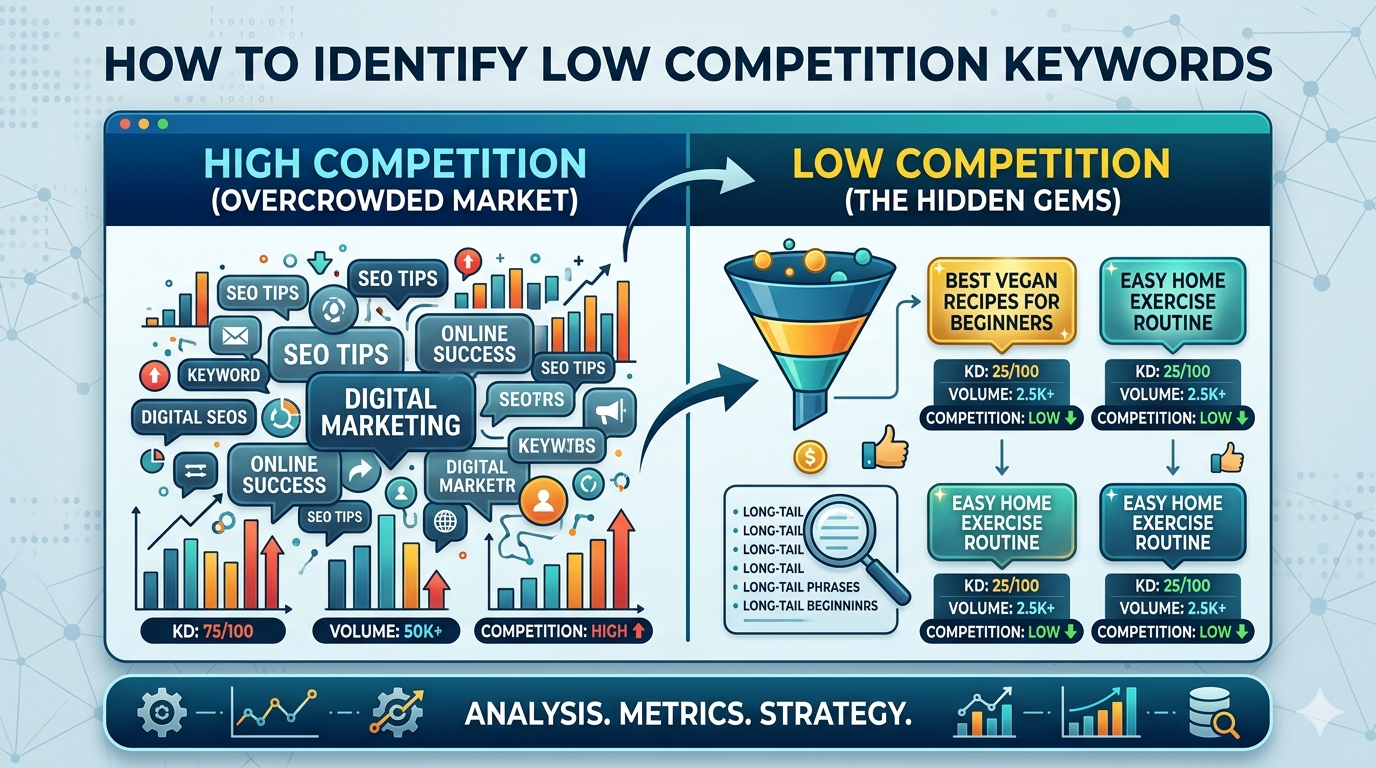
    Envision a sprawling, clamorous marketplace. A cacophony rises as each vendor hawks their wares, making it nearly impossible to be heard above the din. That’s the internet, choked with ultra-competitive search terms. Now, picture a secluded nook, a tranquil corner where a select few purvey rare and unusual items. That’s your destination. Therefore, you absolutely must find low competition keywords. This guide invites you on an expedition to unearth those elusive gems, to revolutionize your content approach and supercharge your online presence. Glean actionable methods to find low competition keywords, gauge their promise, and harness them to reel in a laser-focused audience.

    The Allure of Untapped Potential: Why Find Low Competition Keywords?

    Let’s be blunt: vying for popular, widespread search terms is a clash against behemoths. You’re squaring off against deeply entrenched sites wielding immense promotional budgets and years of accrued clout. Attempting to rank for phrases like “finest footwear” or “internet promotion” is akin to entering a race against seasoned marathoners. You might possess resolve, but they command both resources and hard-won savvy. This is precisely why you have to find low competition keywords. Find low competition keywords bestows a calculated edge, empowering you to sculpt out a distinct area and cement your standing as a go-to source in your sphere. By channeling your energies into these less fought-over terms, your odds soar of ascending higher in the search rankings, luring a more pinpointed readership, and, in the end, sparking conversions. The linchpin? Find low competition keywords that bear relevance to your endeavor and harbor the latent power to spawn worthy traffic.

    Laying the Foundation: Understanding Keyword Research Principles to Find Low Competition Keywords

    Before we plunge headlong into precise methods to find low competition keywords, grasping the bedrock tenets of search term exploration is vital. Picture it as internalizing the sport’s regulations before commencing play. Search term exploration embodies the procedure of pinpointing the expressions and terms individuals type when hunting for data on the web. It necessitates dissecting search frequency, contention, and pertinence to your enterprise. The ambition? To find low competition keywords attuned to the desires and passions of your target demographic. A number of elements sway search term rivalry. Search frequency, domain stature of ranking web locations, and the presence of sponsored postings all weigh upon the difficulty of ranking for a specific search term. A search term boasting elevated search frequency and a multitude of high-stature web locations battling for it is, in general, deemed fiercely competitive. Conversely, a search term brandishing diminished search frequency and fewer formidable rivals is apt to be less competitive. Always, always, always remember to find low competition keywords germane to the people you seek to reach.

    Unearthing the Gems: Proven Techniques to Find Low Competition Keywords

    Now, let’s roll up our sleeves and plunge into concrete techniques to find low competition keywords. These represent the instruments and blueprints that will enable you to unearth those concealed gems and attain a competitive advantage. Each avenue proffers a singular vantage point, granting you leave to tackle search term exploration from varied vectors and reveal openings you may have otherwise bypassed.

    1. The Long-Tail Advantage: Targeting Specific Needs to Find Low Competition Keywords

    Long-tail search terms are lengthier, extra-focused phrases that individuals deploy when they’re deeper into the procuring phase. They frequently encompass four or more words and mirror a more exacting search motive. For illustration, rather than hunting for “coffee,” an individual may hunt for “superior organic fair-trade coffee beans suited for espresso.” Often, to find low competition keywords, one must delve into the long tail simply because they’re searched for less often and, in consequence, face less contention. They embody a more slender, more pinpointed audience harboring an unmistakable want. The boon of zeroing in on long-tail search terms resides in the capacity to reel in intensely qualified traffic with a heightened propensity to shift. When an individual probes for a precise phrase, they’re classically nearer to executing a procurement or embracing a sought-after deed. To find low competition keywords nestled in the long tail, brainstorm variants of your core search terms that weave in particular facets, questions, or qualifiers. Deploy instruments such as Google Suggest, AnswerThePublic, and search term exploration platforms to conjure long-tail search term concepts. To find low competition keywords in the long tail is to surge your search rankings.

    2. Competitor Analysis: Spying on the Opposition to Find Low Competition Keywords

    Your rivals constitute a priceless spring of data. By scrutinizing their search term schemes, you can disclose openings to find low competition keywords that they may be disregarding. Rival scrutiny entails pinpointing your principal rivals and probing their web location content, inbound links, and search term rankings. Scan for search terms that they’re ranking for without strenuously prioritizing them. These might equate to low-hanging fruit readily plucked. Enlist instruments such as SEMrush, Ahrefs, and Moz to dissect your rivals’ search term profiles. These instruments yield glimpses into the search terms they’re ranking for, their gauged traffic, and the uphill climb to rank for those search terms. Fixate upon search terms brandishing reduced difficulty scores and reasonable search frequency. These stand as conceivable candidates to find low competition keywords.

    3. Niche Down: Becoming a Big Fish in a Small Pond to Find Low Competition Keywords

    Rather than striving to vie in a broad arena, ponder constricting your concentration to a singular zone. This empowers you to zero in on a more specialized readership and find low competition keywords pertinent to their distinct wants. Zone promotion embodies pinpointing a subsegment of your intended marketplace and molding your content and promotion endeavors to that precise cluster. For illustration, rather than zeroing in on “fitness,” you might rivet on “yoga for elders” or “crossfit for swamped mothers.” To find low competition keywords inside your zone, conduct search term exploration germane to your target readership’s passions and tribulations. Tap into web forums, social media collectives, and trade periodicals to pinpoint the parlance they employ and the queries they lodge. Then, leverage these revelations to find low competition keywords addressing their wants.

    4. Question Keywords: Answering the Burning Questions to Find Low Competition Keywords

    Individuals habitually tap into question-anchored search terms when they’re fishing for data or fixes to precise predicaments. These search terms classically commence with words such as “how,” “what,” “why,” “where,” or “when.” Find low competition keywords by responding to these queries within your content. By furnishing invaluable and enlightening responses, you can reel in a pinpointed readership and cement your stature as a master in your field. Tap into instruments such as AnswerThePublic and Quora to pinpoint the queries individuals are lodging apropos your topic. These platforms yield a wealth of data apropos the anxieties and passions of your target demographic. Subsequently, fashion content that directly tackles these queries, deploying the question search terms within your headings, titles, and body text. To find low competition keywords, seek those in the form of questions to magnetize traffic. Recollect to find low competition keywords attuned to your enterprise ambitions.

    5. Leverage Google Suggest: Autocomplete as Your Assistant to Find Low Competition Keywords

    Google Suggest, otherwise dubbed autocomplete, constitutes a trait that proffers search suggestions as you scribe within the search field. This can stand as a priceless instrument to find low competition keywords that individuals are in fact probing for. As you scribe a search term, Google Suggest will showcase a roster of allied terms that are habitually probed. These suggestions hinge upon real-time search data and mirror the prevailing inclinations and enthusiasms of users. Enlist Google Suggest to spawn search term concepts by scribing your core search terms and observing the suggestions that materialize. Fixate upon lengthier, extra-focused phrases that might signal reduced contention. Moreover, experiment with tacking on varied prefixes and suffixes to your search terms to glimpse what other suggestions surface. For illustration, experiment with tacking on words such as “finest,” “leading,” “inexpensive,” or “analysis” to find low competition keywords.

    Beyond the Search Bar: Advanced Strategies to Find Low Competition Keywords

    Once you’ve mastered the foundational techniques, the juncture has arrived to delve into more refined blueprints to find low competition keywords. These methods necessitate a deeper internalizing of optimization axioms and a more dissecting tack to search term exploration. To find low competition keywords encompasses exceeding mere instrument usage; it demands calculated cerebration and a readiness to experiment.

    1. Identifying Keyword Clusters: Creating Content Hubs for Targeted Traffic to Find Low Competition Keywords

    Search term clustering embodies the procedure of amassing allied search terms grounded upon their search motive and topical pertinence. This empowers you to fashion exhaustive content centers that tackle a specific topic in depth and magnetize a broader spectrum of search queries. By zeroing in on a cluster of allied search terms, you can elevate your web location’s overarching ranking and find low competition keywords. To pinpoint search term clusters, commence by brainstorming a catalog of allied search terms germane to your enterprise. Subsequently, enlist search term exploration instruments to dissect their search frequency, contention, and semantic affiliations. Scan for search terms that are intimately entwined in meaning and brandish analogous search motives. Muster these search terms into clusters and fashion content that tackles each cluster exhaustively. To find low competition keywords for each cluster is to maximize your reach.

    2. Analyzing SERP Features: Spotting Opportunities in Search Results to Find Low Competition Keywords

    Search Engine Results Page (SERP) traits embody the varied constituents that surface on Google’s search results pages, such as highlighted snippets, knowledge panels, image groupings, and video carousels. Scrutinizing SERP traits can enable you to find low competition keywords and pinpoint openings to hone your content for specific search results formats. For illustration, if you note that a particular search term persistently triggers a highlighted snippet, you can hone your content to directly retort the query and amplify your odds of snagging the snippet. Likewise, if you witness that a search term triggers an image grouping, you can hone your images with pertinent alt text and file designations to elevate their prominence. Find low competition keywords and then dissect the SERP traits.

    3. Reverse Engineering Featured Snippets: Claiming the Top Spot to Find Low Competition Keywords

    Highlighted snippets embody succinct synopses of retorts that surface atop Google’s search results pages. Snagging a highlighted snippet can notably surge your web location’s prominence and propel pinpointed traffic. To reverse engineer highlighted snippets, pinpoint search terms that trigger highlighted snippets within your zone. Subsequently, dissect the content presently ranking within the snippet and pinpoint the pivotal facets that render it triumphant. These might encompass lucid and succinct parlance, organized data markup, and a concentration on directly retorting the user’s query. Fashion content that surpasses the prevailing snippet by furnishing more exhaustive data, deploying a more captivating tone, and honing your content for the specific snippet format. Find low competition keywords, then hone your content for highlighted snippets.

    4. Local Keyword Research: Targeting Your Geographic Area to Find Low Competition Keywords

    In the instance that you preside over a local enterprise, zeroing in on local search terms looms as indispensable for reeling in patrons within your locale. Local search term exploration entails pinpointing the expressions and terms that individuals tap into when probing for enterprises and amenities within your local sector. To find low competition keywords, commence by pinpointing the pivotal geographic sectors that you cater to. Subsequently, enlist search term exploration instruments to dissect the search frequency and contention for search terms allied with your enterprise within those sectors. Weave location-anchored modifiers into your search terms, such as “nearby,” “within [city],” or “[city] [amenity].” Hone your web location and web postings with these local search terms to elevate your prominence within local search results. Find low competition keywords pinpointed to your locale.

    The Art of Refinement: Evaluating and Selecting the Best Keywords to Find Low Competition Keywords

    Once you’ve spawned a catalog of prospective search terms, gauging and cherry-picking the superior ones to zero in on looms as pivotal. Not all search terms are forged uniform, and certain ones will prove more efficacious than others at propelling traffic and attaining your enterprise ambitions. The crux resides in to find low competition keywords attuned to the desires of your target readership and harboring the latent capacity to spawn worthy outcomes. Consider these determinants when gauging search terms:

    • Relevance: Does the search term bear pertinence to your enterprise and the wares or amenities you peddle?
    • Search Volume: How copious are the individuals probing for this search term each month?
    • Competition: How arduous does it prove to rank for this search term?
    • Search Intent: What are the individuals hunting for when they probe for this search term?
    • Commercial Intent: Does the search term intimate that the searcher stands poised to execute a procurement?

    Putting It All Together: Creating a Keyword Strategy to Find Low Competition Keywords

    Once you’ve pinpointed your target search terms, the juncture has materialized to forge an exhaustive search term scheme. This entails fashioning a blueprint for how you’ll deploy these search terms to hone your web location content, construct inbound links, and propel pinpointed traffic. A sharply delineated search term scheme will empower you to sustain concentration on your ambitions and gauge your stride efficaciously. Your search term scheme ought to encompass:

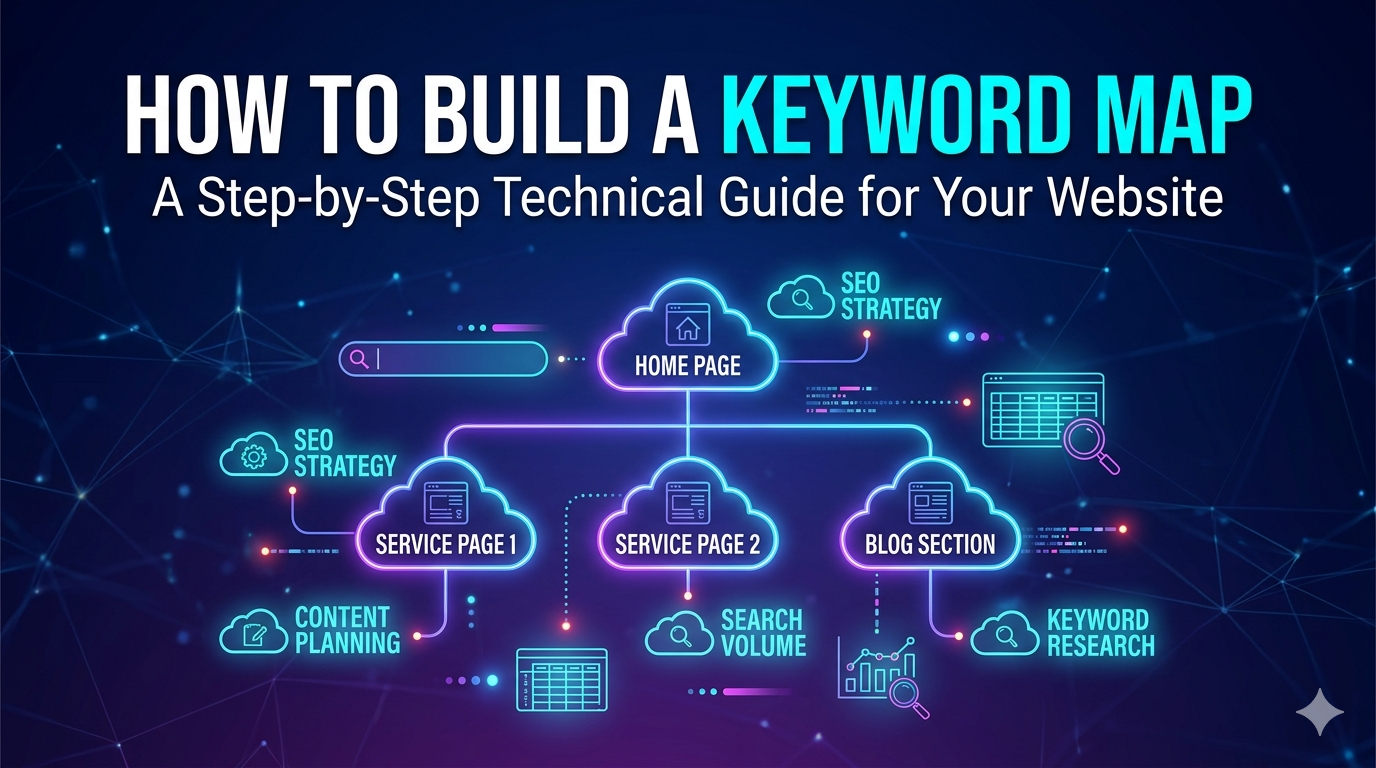
    • Keyword Mapping: Allotting specific search terms to disparate pages across your web location.
    • Content Creation: Fashioning premium content honed for your target search terms.
    • On-Page Optimization: Honing your web location’s title tags, meta portrayals, and headings with your target search terms.
    • Link Building: Constructing inbound links from high-stature web locations to elevate your web location’s ranking for your target search terms.
    • Tracking and Analysis: Overseeing your web location’s conduct and instituting amendments to your search term scheme as necessitated.

    A Final Word: Embrace the Journey to Find Low Competition Keywords

    To find low competition keywords is not a discrete task; it’s a perpetual procedure necessitating ceaseless oversight, dissection, and refinement. As search engine algorithms morph and consumer conduct shifts, you’ll necessitate to adapt your search term scheme to sustain precedence. Embrace the voyage and regard search term exploration as a chance to glean greater insights apropos your target readership and elevate your web presence. By consistently implementing the techniques and blueprints delineated within this guide, you can find low competition keywords, magnetize pinpointed traffic, and realize your enterprise ambitions.

  • How to Build a Keyword Map for Your Website

    How to Build a Keyword Map for Your Website

    How to Build a Keyword Map for Your Website

    How to Build a Keyword Map for Your Website

    I recall those early SEO days as if yesterday. Felt like tossing darts in the dark, hoping something, anything, would latch on. Content creation, sprinkling words, crossed fingers prayers for Google’s golden touch. Simpler times, perhaps? Incredibly frustrating, though. Then, a turning point: keyword mapping’s power. It transformed our haphazard efforts into a laser focus. I want to share that journey with you. You’ll discover how to forge a keyword mapping strategy. One that elevates your search engine placement, and refines user experiences.

    What is Keyword Mapping?

    Envision your website as a bustling metropolis. Every page, a unique edifice. Internal links, the roads connecting everything. Keyword mapping becomes your meticulous city plan. It makes sure every spot remains reachable, and visitors locate what they seek, rapidly and easily. In SEO terms, keyword mapping signifies assigning precise words to specific pages. Grasp the intent fueling searches and aligning content to quench that thirst. Without keyword mapping, websites turn into bewildering labyrinths for users and for search engines. Pages duel for the same words. Ranking potential diminishes. Significant content gets lost, never seen.

    Why is Keyword Mapping Important?

    Keyword mapping transcends a mere SEO trick. It stands as a bedrock of any well-built site. It brings these advantages:

    • Improve Search Engine Rankings: Direct specific words to each page. Make sure search engines understand its core theme. Raise the possibility of ranking for relevant searches.
    • Enhance User Experience: A sleek site design guides visitors to sought-after information effortlessly. Increased engagement, reduced exit rates result.
    • Prevent Keyword Cannibalization: When numerous pages vie for identical words, internal strife weakens your SEO. Keyword mapping resolves this. It delegates special words to individual pages.
    • Identify Content Gaps: The keyword mapping process uncovers spots where your site lacks materials. It opens doors to craft new, valuable things for your audience.
    • Streamline Content Creation: A clear keyword mapping plan enables content development with focus. You know exactly what subjects to tackle and which words to aim for.

    Step 1: Keyword Research Laying the Foundation

    Before keyword mapping, know the words to map. Keyword examinations begin here. View keyword examinations as amassing raw supplies for your map. Comprehend the phrases people employ while seeking information linked to your business. Early on, I shrugged off this stage’s value. I centered on what I deemed popular searches, instead of the real terms. Results predictably faltered. So, spend the effort. Thorough keyword studies will reward you.

    Tools for Keyword Research

    Thankfully, abundant tools exist to aid keyword studies:

    • Google Keyword Planner: Google provides this free utility. It furnishes word ideas and search volume figures.
    • SEMrush: A sweeping SEO tool. It brings word examinations, rival assessments, and site audits.
    • Ahrefs: Another in-demand SEO tool. Robust word examination traits, backlink studies, and content gap detections included.
    • Moz Keyword Explorer: An easy-to-use utility. It gives word suggestions, search volume data, and difficulty measurements.
    • Ubersuggest: A free tool. It presents word suggestions, content concepts, and rival examinations.

    Types of Keywords

    During keyword examinations, you’ll see varying word kinds. Recognize their differences to effectively focus content. Here, some typical word types:

    • Head Keywords: Broad, common words with hefty search traffic (e.g., “running shoes”).
    • Long-Tail Keywords: Detailed, lengthy phrases possessing lower search volume yet higher conversion rates (e.g., “best running shoes for marathon training”).
    • Informational Keywords: Words suggesting that users hunt for information (e.g., “how to build a keyword map”).
    • Navigational Keywords: Words showing users trying to reach a precise website or page (e.g., “Facebook login”).
    • Transactional Keywords: Words hinting at users’ purchase readiness (e.g., “buy running shoes online”).

    Focus on User Intent

    Ultimately, keyword mapping centers on grasping user intent. What do people really aim to achieve when seeking a particular word? Do they hunt for information, goods, or a solution? By decoding the intent behind each word, you forge content that fits needs. This attracts a matching audience. It amplifies your site’s overall achievement.

    Step 2: Website Audit Understanding Your Existing Content

    Now with words at hand, inventory existing content. Survey the land before city construction. Discern available materials and any present gaps. A sweeping site audit spotlights:

    • Existing Content: Which pages grace your website already?
    • Keyword Usage: What words do these pages focus on now?
    • Ranking Performance: How well do pages rank for their target words?
    • Content Gaps: What subjects remain untouched on your site?

    Tools for Website Audits

    These tools facilitate site audits:

    • Google Search Console: Google’s free tool unveils your site’s search achievement. It shows word ranks, impressions, and click rates.
    • Screaming Frog SEO Spider: A sturdy tool crawls your website. It exposes technical SEO glitches: broken links, absent descriptions, and copycat content.
    • SEMrush: Again, SEMrush brings site audit traits. It spots on-page SEO faults and tracks word ranks.

    Analyzing Your Findings

    During your site audit, note:

    • Keyword Cannibalization: Do numerous pages aim for identical words? Meld or differentiate them, if so.
    • Low-Hanging Fruit: Do pages rank on Google’s second or third page for relevant words? Optimization could propel them to the top.
    • Content Gaps: Do untouched words exist on your site? They signify openings to birth new, valuable content.

    Step 3: Building Your Keyword Map Connecting the Dots

    With word examinations and site audits completed, construct your keyword mapping plan. Link words to site pages. Delegate each word to the most fitting page. Make sure every page holds a distinct focus and reason. Organizing a library reflects your keyword mapping action. Every book (webpage) needs categorizing. It must be set in the right section (word category) for easy discovery.

    Creating a Spreadsheet

    Crafting a worksheet stands as the easiest way to build keyword mapping. Your sheet should hold these columns:

    • Page URL: The mapped page’s URL.
    • Primary Keyword: The main word the page will target.
    • Secondary Keywords: Associated words the page will also target.
    • Search Intent: The intent behind the primary word (e.g., informational, transactional).
    • Notes: Pertinent notes on the page or its target words.

    Assigning Keywords to Pages

    While delegating words to pages, remember:

    • Relevance: The word should mesh firmly with the page’s content.
    • Search Intent: The page should quench the intent behind the word.
    • Competition: Weigh the word’s competition. It may prove easier to rank for lengthy words than basic ones.
    • Page Authority: Pages possessing higher authority (e.g., more backlinks) are likelier to rank for fierce words.

    Example Keyword Map

    A simplified keyword mapping sample:

    • Page URL: /running-shoes
    • Primary Keyword: running shoes
    • Secondary Keywords: running shoes for women, running shoes for men, best running shoes
    • Search Intent: Transactional
    • Notes: Product category page
    • Page URL: /running-shoes/best-for-marathon
    • Primary Keyword: best running shoes for marathon
    • Secondary Keywords: marathon running shoes, running shoes for long distance
    • Search Intent: Informational/Transactional
    • Notes: Blog post and product listing page

    Step 4: On-Page Optimization Implementing Your Keyword Map

    With keyword mapping built, apply it to your site. Optimize on-page parts to focus on chosen words. On-page optimization makes content simple and matching for users and search engines. Skillfully use words inside content to signal the page’s essence to search engines.

    Key On-Page Elements

    Optimize these key elements:

    • Title Tag: This part counts most. It must hold the primary word and depict the page’s content clearly.
    • Meta Description: It’s a brief page rundown appearing in search results. Craft it compellingly to urge clicks.
    • Headings: Employ headings (H1, H2, H3, etc.) to structure content. Embed primary and secondary words as fitting.
    • Body Text: Naturally weave words into the page body. Steer clear of word stuffing. Focus on superior, enlightening content satisfying user intent.
    • Image Alt Text: Employ alt text to paint images. Insert matching words.
    • Internal Links: Connect to related pages on your site. Use word-rich anchor text.

    Content is Still King

    During on-page tweaks, remember content reigns supreme. Prioritize high-quality, enlightening, and engaging things bringing worth to your audience. Don’t diminish excellence for word optimization. Search engines increasingly grasp language nuances. They favor content that is well-written and welcoming. Keyword mapping guides the production of stellar content, not a substitute for it.

    Step 5: Tracking and Refining Staying on Course

    Building keyword mapping isn’t a one-shot act. It’s an unending grind. Constantly gauge progress, dissect results, and refine plans if required. The digital world spins relentlessly. Today’s tactics may fizzle tomorrow. Vigilance over keyword mapping preserves search engine ranks. It shepherds traffic to your site.

    Key Metrics to Track

    Gauge these vital numbers:

    • Keyword Rankings: Track word ranks through utilities such as Google Search Console or SEMrush.
    • Organic Traffic: Watch organic traffic through Google Analytics. Spot trends and patterns hinting at the impact of your keyword mapping.
    • Bounce Rate: Study exit rates to witness visitor engagement. High exits may mean content fails to fulfill user intent.
    • Conversion Rate: Monitor this figure to see how well your site converts viewers into patrons.

    Refining Your Strategy

    Tracking data may compel you to hone the keyword mapping plan. This might entail:

    • Updating your keyword list: New words emerge, or current words fade.
    • Re-optimizing your on-page elements: Readjust title tags, descriptions, or headings for heightened focus on target words.
    • Creating new content: Craft fresh materials focusing on untouched words.

    Conclusion

    Keyword mapping boosts your website’s SEO and elevates user experiences. Grasp the motives fueling searches. Shape content to fulfill them. By navigating this guide’s route, construct a keyword mapping tactic. Steer traffic to your site. Achieve your goals. Recollect, keyword mapping isn’t a fire-and-forget chore. It demands constant vigilance, analysis, and updates. Keep at it, learn, and sharpen your site for triumph. With right execution, keyword mapping unlocks unseen possibilities. Spot user interactions. Fashion substantial content. Lift SEO. All these merits showcase keyword mapping’s importance. Begin your keyword mapping journey today. You’ll celebrate the choice. High-quality content always stands as paramount. Keyword mapping only amplifies. With process, understand users better. Craft content. This drives ranks. This power lives in keyword mapping.

  • What Is Topic Clustering in SEO

    What Is Topic Clustering in SEO

    What Is Topic Clustering in SEO

    Envision the internet: a sprawling, chaotic metropolis. For ages, SEOs approached it like a collection of isolated buildings, tweaking each page separately. Think handing out pamphlets on deserted corners, praying someone stumbles upon your store. Then, a revolutionary approach emerged: SEO topic clusters. Imagine planning a city around interconnected districts of knowledge, easily navigable by both Google and visitors. I recall our initial foray into SEO topic clusters; the impact was undeniable. Our organic presence exploded. Engagement through the roof. Let’s delve into replicating that success.

    Within this detailed exploration, you’ll grasp the essence of SEO topic clusters, their significance, and their effective deployment. You’ll unearth the advantages, spanning from elevated search rankings to superior user journeys. Prepare for a content strategy overhaul and realize the full potential of SEO topic clusters.

    What Exactly Are SEO Topic Clusters?

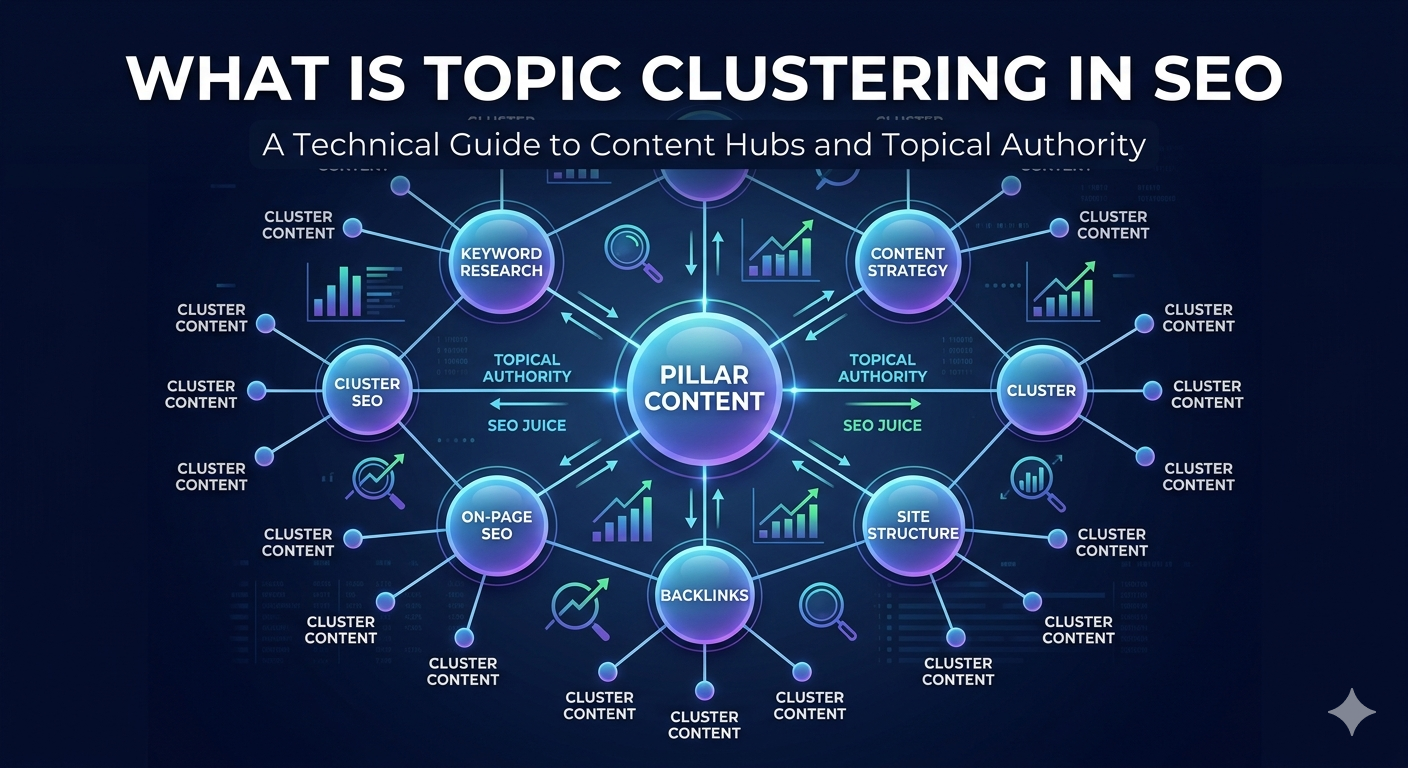
    Fundamentally, an SEO topic cluster represents a content structure pivoting on a central “pillar” alongside supporting “cluster” pieces. Envision the pillar as the central nexus, delivering a sweeping synopsis of a subject. Conversely, the cluster delves into granular aspects, pointing back to the pillar to affirm subject relevance. This interlinked design broadcasts to search platforms that your online presence embodies authority on the encompassing subject.

    Consider writing regarding “online promotion.” Your pillar should encompass core facets of online promotion, whilst your clusters might spotlight “social channels promotion,” “electronic mail promotion,” “search enhancement for digital storefronts,” and “content promotion blueprints.” Each cluster would then link to the “online promotion” pillar, forging a dense network of pertinent content. This arrangement solidifies the pillar’s standing for the broad “online promotion” term, simultaneously elevating the ranking capacity of cluster pages for specific aspects. This very concept is the basis of SEO topic clusters.

    The Power of SEO Topic Clusters: Why They Matter

    The transition to SEO topic clusters isn’t fleeting; it’s a pivotal adaptation to how search engines interpret and value content. Here’s why it resonates:

    • Improved Search Engine Rankings: Google prizes sites showcasing prowess and credibility. By weaving a web of interconnected content rooted in a central theme, you’re signaling to Google that your digital home is a treasure trove. Expect elevated rankings for both your pillar and clusters.
    • Enhanced User Experience: SEO topic clusters sketch a transparent, logical pathway across your digital space. Visitors can effortlessly explore associated content, enriching their grasp of a subject and prolonging their stay. A better journey translates to higher conversion figures and amplified loyalty.
    • Increased Organic Traffic: Elevate your search result position, pair it with a superior visitor journey, and you’ll naturally draw greater organic interest. SEO topic clusters empower you to seize a wider spectrum of phrases and queries, expanding your influence and channeling better prospects to your digital doorstep.
    • Establish Thought Leadership: Laying the foundations for detailed content surrounding a niche positions you as a major voice within the space. Garner attention from potential patrons, collaborators, even journalists.
    • Better Site Architecture: SEO topic clusters compel detailed thought regarding your digital architecture. This leads to a more sensible, intuitive destination, facilitating discovery for both bots and people.

    SEO topic clusters bring design to content creation, ensuring your online presence remains vital and competitive amidst the ever-evolving terrain of search enhancement.

    Building Your Own SEO Topic Clusters: A Step-by-Step Guide

    Forging potent SEO topic clusters demands meticulous strategy. Consider this step-by-step guide as a starting point:

    Step 1: Keyword Research and Topic Identification

    Solid phrase research anchors any thriving SEO topic cluster. Pinpoint a broad, well-searched term that epitomizes your core theme; this will fuel your pillar. Then, uncover related, specific phrases that capture niche aspects; these will drive your clusters. Tools like Google Keyword Planner, SEMrush, or Ahrefs can identify phrases boasting strong potential and low competition. Grasping the intent behind each phrase is also essential. What do people actually seek when exploring these terms?

    Step 2: Create Your Pillar Page

    Your pillar should present a comprehensive overview of your core theme. Encompass essential facets without diving too deep. Think of it as an introductory primer. Your pillar requires engaging writing, compelling visuals. Integrate images, videos, multimedia components to sustain visitor attention. Ensure your pillar is optimized for your target phrase, embedding it within the title, headings, text. However, avoid overuse; this can hinder your position. SEO topic clusters revolve around providing genuine value.

    Step 3: Develop Your Cluster Pages

    Each cluster should explore specific facets tied to your pillar. These spaces offer more exhaustive details, resolving particular user questions. Optimize each cluster for its niche phrase; similar to the pillar, naturally weave the phrase into the text. Ensure clusters are compelling, well-written, insightful. Employ varied formats – posts, articles, guides, case studies. From experience, case studies are exceptional for showcasing real-world application.

    Step 4: Link Everything Together

    The linking structure powers a thriving SEO topic cluster. Every cluster should link back to the pillar, which in turn links to each cluster. This forges a network of interconnected material, broadcasting your authority to search platforms. Employ descriptive anchor text when connecting spaces. For example, when linking from a “social channels promotion” cluster to your “online promotion” pillar, use text such as “online promotion blueprints” or “discover more regarding online promotion.”

    Step 5: Promote Your Content

    Upon forging your SEO topic cluster, promotion beckons. Broadcast your pillar and clusters across digital channels, email newsletters, etc. Contact relevant voices, requesting material sharing. Explore paid campaigns to drive interest towards your pillar/clusters. Greater visibility, better interaction, improved search positioning. Remember, SEO topic clusters hinge on people actually absorbing and sharing the wealth.

    Step 6: Track Your Results and Refine Your Strategy

    Scrutinize your web numbers traffic, rankings, engagement gauging your SEO topic cluster‘s performance. Tools like Google Analytics and Search Console aid progress monitoring. Attend to leading phrases, popular spaces, best-ranking spaces. Based on these findings, refine your blueprint. Refresh content, adjust connections, test promotional approaches. SEO topic clusters represent an ongoing endeavor, not a singular act.

    Examples of Effective SEO Topic Clusters

    To better illuminate SEO topic clusters, consider these illustrations:

    • Topic: Content Marketing
      • Pillar Page: What is Content Marketing? (A Comprehensive Guide)
      • Cluster Pages:
        • How to Develop a Content Marketing Strategy
        • The Ultimate Guide to Blog Post Writing
        • Using Social Media for Content Marketing
        • Measuring the ROI of Content Marketing
    • Topic: Email Marketing
      • Pillar Page: Email Marketing: The Definitive Guide
      • Cluster Pages:
        • Building an Email List from Scratch
        • Writing Effective Email Subject Lines
        • Segmenting Your Email Audience
        • Automating Your Email Marketing Campaigns
    • Topic: SEO for E-commerce
      • Pillar Page: The Ultimate Guide to SEO for E-commerce
      • Cluster Pages:
        • Keyword Research for E-commerce
        • Optimizing Product Pages for Search Engines
        • Building Backlinks for E-commerce Websites
        • Mobile SEO for E-commerce

    These examples demonstrate dissecting broad themes into specific facets, generating a unified, connected information source. These meticulously assembled SEO topic clusters can amplify your website’s overarching search enhancement standing.

    Common Mistakes to Avoid When Implementing SEO Topic Clusters

    Despite the potency of SEO topic clusters, be wary of these errors:

    • Creating Thin Content: Each SEO topic cluster component warrants insightful, detailed material. Shun crafting shallow content, simply rehashing existing details.
    • Over-Optimizing for Keywords: While phrase optimization proves vital, temper your zeal. Overloading material with phrases diminishes rankings, alienates visitors.
    • Ignoring User Experience: SEO topic clusters exist to elevate the visitor journey, not detract. Ensure effortless navigation, logically structured material.
    • Failing to Promote Your Content: Material creation constitutes half the battle; promotion delivers it to the intended audience.
    • Not Tracking Your Results: Monitor metrics; steer adjustments with performance data.

    Steering clear of these mistakes maximizes the effectiveness of your SEO topic clusters.

    The Future of SEO: Topic Clusters and Beyond

    SEO topic clusters signify a dramatic change in how search engines process content. This content arrangement blueprint will likely gain prominence as search platforms progress. Expect even greater importance on subject pertinence, visitor journey, material quality. Digital destinations adopting SEO topic clusters and dispensing rich, compelling material stand poised for sustained accomplishment amidst the ever-shifting landscape of search enhancement. SEO topic clusters secure your digital future.

    The expansion of voice-activated search, alongside simulated intelligence, will also shape the trajectory of SEO topic clusters. Crafting conversational, digestible content becomes imperative as voice-based searches grow. Simulated intelligence-powered search platforms will better discern connections between subjects, amplifying SEO topic cluster effectiveness. The growth of portable platforms also influences SEO topic clusters. Optimize your content for portable platforms to cater to unique demands.

    Conclusion: Embrace SEO Topic Clusters for Long-Term Success

    SEO topic clusters offer a robust blueprint for bolstering search placement, optimizing visitor journeys, amplifying organic traffic. By arranging your online space around central motifs, establishing interconnected information networks, you broadcast subject expertise to search platforms. This, in turn, cultivates enhanced placement, expanded visibility, improved prospect quality.

    Remember, crafting successful SEO topic clusters necessitates meticulous blueprinting, consistent implementation, iterative refinement. Begin by pinpointing your core themes, implementing thorough phrase research. Then, compose comprehensive pillars, thorough clusters, dispensing invaluable information to your intended audience. Finally, connect elements, promote creations, track metrics.

    I vividly recall the sensation of constructing an entirely new digital destination upon initially deploying SEO topic clusters. The initial commitment felt significant, yet the subsequent rewards proved profoundly worthwhile. Our organic visibility swelled, visitor engagement exploded, our web presence became a vital asset. If you prioritize search enhancement, embrace SEO topic clusters.

    To summarize, SEO topic clusters transcend trends, embodying a foundational evolution regarding how search platforms process material. By embracing this approach, you secure your digital presence, establish prominent voices, achieve enduring accomplishment. So, what’s holding you back? Begin sculpting your SEO topic clusters now!

  • How Google Understands Search Queries

    How Google Understands Search Queries

    How Google Understands Search Queries

    The Day Search Changed Forever

    I recall the dawn. Not the calendar page, no. The feeling. That electric buzz of tapping out a question into the Google ether…and receiving an answer. Not merely relevant. But alive. Insightful, even. As if the machine had plunged into my skull, grokked the unspoken question, and spat out the perfect balm. The magic, you see, is pinpointing why someone searches. Google’s quest? A decades-long saga.

    We paint Google as some hulking, heartless code-beast. Hogwash. Think instead of a tireless bloodhound, sniffing, scratching, forever chasing the heart of a query. Today? We peek behind the velvet rope. We’ll dissect Google’s wizardry: tools, the secret sauce of ranking signals, and battle plans to sync your words with human desires. This isn’t about coddling a search engine. It’s about connection. Human to human.

    The Evolution of Search: From Keywords to Context

    The Jurassic era of search? Keywords ruled. Cramming them in, beyond reason, bought you a throne. A blunt instrument. Easily duped. Often useless. Picture this: craving the ultimate apple pie recipe, you’re slapped with a page vomiting the word “apple” a thousand times. No crust. No spice. No joy. That… was reality.

    Google saw the storm coming. Its mission: to wrangle the planet’s data, making it a universal treasure. This demanded insight. A leap beyond mere keyword matching, straight into the vibrant world of semantic search, the dance of language, the power of smart machines.

    Now? Google sees your world. Your corner of the map. Your past whispers. Even the tick-tock of the clock. It decodes the web of words, hunts for echoes, seeks the soul of your intent. Type “jaguar”? Is it beast? Machine? Something else entirely? The bullseye? Pinpointing why you ask.

    Unpacking Search Intent: The Four Pillars

    The heart of search boils down to four pillars. Grasp these. They unlock the secrets to crafting content that vibrates with your people and conquers search results.

    1. Informational Intent

    The quest for knowledge. To learn. To understand. To solve. These searches often begin with “how,” “what,” “why,” or “where.” “How does a sourdough starter work?” “What is dark matter?” “Where does the sun truly set?”

    To serve this hunger, offer substance. Be thorough. Accurate. Crystal clear. Sculpt your words with headings, bullets, visuals. Make it digestible. Aim to directly answer the burning question and offer sparks of insight.

    2. Navigational Intent

    A digital homing beacon. These searchers know their destination; they need a guide. “Log into Netflix.” “Visit the Louvre website.” “Find Patagonia customer support.”

    Is your site the target? Ensure Google can crawl and index it without a hitch. Craft titles and descriptions that sing your content’s truth. Build your name. Let your brand become the destination.

    3. Transactional Intent

    Wallets open. Fingers twitching. The hunt is on. To buy. To subscribe. To grab. Words like “buy,” “purchase,” “order,” or “download” often light the way. “Pre-order the new Playstation.” “Order sushi online.” “Download the DaVinci Resolve free trial.”

    Transform your site into a conversion engine. Clear calls to action. A frictionless path to purchase. Fort Knox-level security. Product pages? Lush with detail, dripping with high-resolution images and the wisdom of past buyers. Speed. Mobile-first thinking. Non-negotiable.

    4. Commercial Investigation Intent

    The crossroads of knowledge and desire. A dance before the plunge. Researching options. Weighing pros and cons. Hunting for the holy grail. “Best noise-canceling headphones.” “Top-rated hiking trails near me.” “Apple Watch versus Garmin Forerunner.”

    Become the trusted advisor. Forge reviews that cut deep. Craft comparisons that illuminate. Build buying guides that empower. Be balanced. Objective. Reveal flaws alongside triumphs. Arm your audience with the wisdom to choose.

    How Google Deciphers Search Intent: A Behind-the-Scenes Look

    We’ve charted the landscape of intent. Now? We descend into Google’s engine room. We uncover the how. The gears and levers that turn the wheels of understanding.

    Natural Language Processing (NLP)

    Intelligence made digital. Machines learning to speak our tongue. Google wields NLP to dissect queries, pinpoint key players, and weave connections between them. It leaps beyond simple keyword echoes, grasping the soul of your words.

    Machine Learning (ML)

    Data whispers. Patterns emerge. Google’s ML algorithms listen and learn, predicting your desires based on digital breadcrumbs past searches, location, and more. Over time, ML refines Google’s perception, ever drawing closer to true understanding.

    RankBrain

    Google’s ML-powered brain child. It sifts through search results, hand-picking the most relevant answers. Especially potent with riddles and vague requests, where intent hides in shadows. RankBrain observes. It learns from clicks and dwell times, gauging satisfaction. It is a student of human interaction, constantly evolving.

    BERT (Bidirectional Encoder Representations from Transformers)

    A neural net masterpiece. BERT decodes the context of words by gazing at both what precedes and follows. It masters nuance and complexity, where a word’s meaning bends with the wind. Especially potent for longer, conversational queries.

    Hummingbird Algorithm

    A seismic shift. Google no longer fixates on mere keywords. Hummingbird seeks the grand design, the full spectrum of meaning, weighing context and relationships. It aligns results with the user’s deepest desire, even when the query is a tangled mess.

    Optimizing Your Content for Search Intent: Practical Strategies

    The challenge: synchronize your content with the heartbeat of search. Rise in the ranks. Here are your tools.

    1. Keyword Research with Intent in Mind

    Don’t chase volume alone. Hunt for meaning. What lies beneath the surface of those words? What thirst are people trying to quench? Seek long-tail keywords that mirror specific needs and desires. Instead of “coffee,” aim for “best coffee beans for a cold brew at home.”

    2. Create Different Types of Content for Different Intents

    Recognize the power of form. Certain vessels hold certain truths. Informational searches demand blog posts, articles, guides. Navigational? Ensure easy passage to your digital doorstep. Transactional? Polish those product pages, streamline the checkout. Commercial investigation? Unleash reviews, comparisons, and buying guides.

    3. Answer Questions Directly and Concisely

    For those seeking knowledge, deliver the answer swiftly. Bury it not. Let it shine in the opening paragraph. This signals Google and satisfies the impatient. Plunder the “People Also Ask” treasure trove to address common questions and demonstrate mastery.

    4. Use Schema Markup

    Structured data. A secret language for Google. By speaking it, you clarify the essence of your content (recipe, review, product…). You provide extra context (ingredients, ratings, prices…). This unlocks visually stunning and informative search results, boosting clicks and elevating your position. Schema whispers the truth of your content’s purpose.

    5. Optimize for Mobile

    The mobile screen reigns supreme. Your site must be responsive, adapting to all shapes and sizes. Lightning-fast loading times are non-negotiable. Navigation must be a breeze. Google favors the mobile-friendly. Embrace it.

    6. Monitor Your Results and Adapt

    Analytics and Search Console: your digital eyes and ears. Track performance. Monitor rankings, clicks, bounces. Are you hitting the mark? If not, experiment. Refine. Search is a river, ever flowing. Continuous adaptation is survival.

    The Future of Search Intent: Beyond Keywords

    Google evolves. Understanding deepens. Expect even greater emphasis on natural language, smart machines, and personalized journeys. The future? Anticipating needs before they are spoken. Delivering answers before questions are asked. Semantic search and artificial intelligence will lead the charge. Those who anticipate and fulfill will conquer.

    Conclusion: Mastering Search Intent is Mastering Search

    Understanding is no longer a perk. It’s the price of admission. Decode the types of intent. Unravel Google’s methods. Craft content that resonates, ranks, and draws traffic.

    The search saga continues. Focus on the human heart. Serve their needs. Craft experiences that bind them to you. It’s not about keywords. It’s about understanding, delivering value. The deeper the understanding, the sharper the content. True mastery lies in anticipation. And that? That’s victory. In the end, focusing on this point is the keystone of modern digital strategy. Align your words with it, and unlock a cycle of engagement. Learn. Adapt. Thrive. Prioritize the human. Optimize for the soul. That is all that truly matters.

  • Why Keywords Alone Don’t Rank Pages

    Why Keywords Alone Don’t Rank Pages

    Why Keywords Alone Don’t Rank Pages

    The Keyword Mirage: A Story of Content and Context

    I recall those nascent internet days. A digital frontier it was, untamed. Ranking? Almost comical. Keyword stuffing, the more the merrier, and voila, top spot secured. A bygone era, decidedly. Now? Simply peppering text with keywords not enough for SEO. Sure, they’re foundational, but just a sliver of a far grander, more intricate design. Let’s dissect why keywords not enough for SEO. What’s the current path? We’re venturing beyond basics, plumbing the depths separating top-tier pages from digital oblivion.

    The Rise and Fall of Keyword Stuffing

    Envision this: a website flogging azure widgets. Back then, content might blare: “Behold our azure widget emporium! Finest azure widgets for sale. Snag azure widgets now! Premium azure widgets…” Ad nauseam. This sheer repetition, it tricked search engines. The keyword stuffing age, unsophisticated yet potent. But algorithms? Evolved. Savvier in spotting, then squashing, blatant manipulation. Now, excessive keyword repeat? A one-way street to digital obscurity. Keywords not enough for SEO, particularly when deployed to degrade user delight.

    User Intent: The Guiding Star of Modern SEO

    Presently, search engines champion user intent. What does a user really seek when hammering out a query? A purchase? Raw data? Product showdowns? Deciphering intent? Paramount. If your essence clashes with user desires, ranking? Forget about it. Even with keywords not enough for SEO crammed to the hilt. Take “best running shoes.” The user likely craves curated lists, reviews, comparisons. A page merely chanting “best running shoes” falls flat. It demands utility, enlightening content satiating core needs.

    Content Quality: The King (and Queen) of SEO

    Top-tier content is non-negotiable for ranking. Search engines adore pages well-crafted, informative, captivating, accurate. Thin, shoddy, error-ridden content? Unlikely to ascend, even if bursting with keywords not enough for SEO. Ponder this: search engines aim to gift users optimal results. To direct them to pages meeting needs. A page delivering a thorough, well-researched, engaging answer? Favored over a mere keywords not enough for SEO regurgitation. Quality also encompasses readability, layout, visual charm. A page breezy to read, easy to traverse? Boosts user devotion, sending positive signals to search engines.

    The Importance of Topical Authority

    Forging topical supremacy? Establishing yourself as the go-to oracle on a subject. It’s amassing a treasure trove of content spanning diverse, interconnected topics. The more exhaustive, profound your coverage, the more search engines salute you as an authority. Want to rank for keywords not enough for SEO, like “organic gardening?” A lone article? Insufficient. Birth a series dissecting facets of organic gardening. Soil prep, pest control, composting, seed germination. By showcasing subject mastery, cultivate topical clout, amplify ranking odds. Remember, keywords not enough for SEO alone; showcase expertise, build credibility.

    Page Experience: Making Users Happy

    Page experience matters. Hugely. It’s a spectrum of elements dictating a user’s total interaction with a website. Page speed, mobile adaptability, security, interplay. Search engines champion swift, user-friendly, secure pages. A slow, clunky, insecure page? Ranking suffers, despite keywords not enough for SEO. Page speed is paramount. Users are impatient. A slow page? Abandoned. Mobile adaptability? Critical. Smartphones, tablets dominate web access. A non-optimized page? Poor experience. Penalized. Keywords not enough for SEO if users bolt due to abysmal page experience.

    The Role of Backlinks: Earning Trust

    Backlinks. Links from other sites. Potent signals of trust, authority. Reputable sites linking to you? A vote of confidence. Declaring your content worthy, shareable. Earning elite backlinks? Core to SEO triumph. But backlinks aren’t monolithic. Spammy links? They bruise your ranking. A handful of links from authorities trumps a flood from shady sources. Backlink building demands time, labor. Crafting irresistible content. Outreach, networking with site owners, bloggers. Keywords not enough for SEO; you crave external validation via backlinks.

    Technical SEO: The Foundation for Success

    Technical SEO? The nuts and bolts influencing search engine ranking. Site design, crawlability, indexability, schema markup. A technically robust site is readily crawled, indexed. Ranking hinges on this. Site architecture? Website organization. A well-structured site is intuitive for users, search engines. Crawlability? Search engine crawlers accessing, indexing content. Indexability? Search engines embracing pages in their index. Schema markup? Structured data enriching code. Feeding search engines content intelligence. Nailing technical SEO? Imperative for site visibility. Keywords not enough for SEO if search engines can’t even unearth you.

    The Power of Schema Markup

    Schema markup? Like labeling content for search engine comprehension. It gifts context, unraveling content essence. A recipe? Schema says it’s a recipe. Ingredients, prep steps. Your recipe then flourishes in rich snippets, boosting click-through rates. Schema spans articles, events, products, reviews. Its execution can be intricate, but it’s worth the effort. It sets you apart, attracting floods of traffic. Keywords not enough for SEO; you must converse with search engines via schema.

    Measuring and Analyzing Your Results

    SEO is a marathon. Not a sprint. Don’t implement tactics then vanish. Continuously gauge results. Discern triumphs, failures. Tools like Google Analytics, Search Console offer insights. Website traffic, keyword ranks, backlink profiles unveiled. By monitoring, pinpoint areas craving refinement. Adjust your strategy. Keep abreast of SEO trends, best practices. SEO evolves. Constant learning, adaptation is mandatory. Remember, keywords not enough for SEO; track, dissect, adapt.

    The Long-Term Vision: Sustainable SEO

    Sustainable SEO? A long-term strategy rooted in user enrichment, earning search engine devotion. Not gaming the system, not chasing fleeting fixes. It’s birthing a website both useful, enlightening, providing a superb user experience. A sustainable strategy nurtures quality content, cultivates topical dominion, garners backlinks from reputable sources, optimizes page experience. It perpetually monitors, analyzes, adapts. While keywords not enough for SEO, remember they are a component of a broader strategy. By prioritizing user value, erecting a firm base, long-term SEO glory awaits.

    The Algorithm’s Ever-Changing Landscape

    SEO’s gauntlet? The ceaseless flux of search engine algorithms. Today’s triumph? Tomorrow’s dud. Search engines relentlessly tweak algorithms. Elevating search quality, battling spam. SEO professionals? Alert. Ready to pivot. Following industry news, blogs? Crucial. Staying current on algorithm shifts. Testing strategies? Essential. Discovering what ignites your site. Keywords not enough for SEO if you ignore algorithm updates.

    Content is King, But Context is Queen

    While superior content is pivotal, it’s insufficient to simply conjure brilliant pieces. Verify content relevancy to user queries. Confirm it delivers sought data. Context then reigns supreme. Context? The enveloping data endowing meaning to content. Page titles, headings, images, links. Supplying context empowers search engines. Grasping content essence, its alignment with user inquiries. Keywords not enough for SEO; you must furnish context.

    Beyond the Text: Visual and Auditory SEO

    SEO transcends text. Visual, auditory elements wield sway. Attracting, enthralling users. Influencing rankings. Images, videos? Elevate visual charm, simplify comprehension. They shatter text monotony, amplifying engagement. Optimizing images, videos? Employ descriptive file names, alt text. Alt text? Image synopses displayed when images falter. Also, screen readers narrate images to visually impaired users. Keywords not enough for SEO; optimize your visuals too.

    Mobile-First Indexing: Catering to the Smartphone Generation

    In our mobile-centric epoch, optimizing sites for mobile is vital. Search engines now favor mobile-first indexing. Ranking pages predominantly by their mobile rendition. A non-mobile-friendly site? Penalization looms. Optimizing for mobile necessitates responsiveness. Adapting to varying screen dimensions. Also, guaranteeing swift mobile loading speeds. Keywords not enough for SEO if your site isn’t mobile-friendly.

    The Future of SEO: A Holistic Approach

    SEO’s trajectory? A holistic odyssey. Cease fixating solely on keywords not enough for SEO, or backlinks. Embrace the constellation of elements impacting rankings. Content caliber, user experience, technical finesse, mobile adaptability. Adopting a holistic lens? Constructing sites both user-adored, search engine-aligned. Forging a sustainable SEO blueprint, ushering in enduring triumph. Bear in mind, SEO unfolds as a process, not a discrete incident.

    Local SEO: Reaching Your Neighborhood

    A brick-and-mortar business? Local SEO beckons. Luring nearby patrons. Local SEO optimizes your site, online footprint, for ranking in local searches. Claiming your Google My Business listing, tailoring your site with local keywords not enough for SEO, cultivating citations from local directories. Bolstering local SEO? Simplifying customer discovery. Entice patrons to post reviews on Google My Business, other review platforms.

    Voice Search Optimization: Speaking to the Future

    With voice assistants ascendant – Siri, Alexa, Google Assistant – voice search mushrooms. Optimizing for voice? Targeting long-tail keywords not enough for SEO. Phrasing common verbal inquiries. Offering succinct, direct resolutions. To optimize for voice, devise an FAQ page answering common questions conversationally. Employ schema markup, fueling search engines with deeper content insight. Remember, voice search thrives on instant, effortless responses.

    Accessibility: SEO for Everyone

    Rendering sites accessible to individuals with disabilities isn’t merely ethical. It amplifies SEO. Search engines salute accessible havens. To cultivate accessibility, embrace Web Content Accessibility Guidelines (WCAG). Alt text for images, proper heading hierarchies, keyboard navigation support. By championing accessibility, broaden your audience, elevate your rankings. Keywords not enough for SEO if your site is inaccessible.

    Conclusion: Beyond Keywords – A Holistic SEO Vision

    Our saga unfolds from rudimentary keyword stuffing to contemporary SEO’s intricate tapestry. The moral? Keywords not enough for SEO. They stand as critical threads, yet just components within a far grander construction. To authentically soar within today’s search sphere, prioritize user intent, content supremacy, page resonance, backlinks, technical acumen, plus a cascade of additional facets. Embrace a global perspective. Architect a site valuable, enlightening, user-centric. Relentlessly gauge, dissect, tailor your strategies accordingly. The SEO cosmos perpetually evolves, yet by grounding yourself in fundamentals, you can forge a sustainable SEO narrative – one that steers you toward enduring distinction. It’s a voyage, not a destination, and the course mandates an unwavering dedication to perfection, coupled with a profound comprehension of the digital landscape’s ceaseless metamorphosis. Ultimately, it hinges on sculpting experiences, not merely chasing keywords not enough for SEO, but grasping their encompassing context.

  • How Google’s Ranking Algorithm Works

    How Google’s Ranking Algorithm Works

    Google ranking algorithm

    How Google’s Ranking Algorithm Works

    Envision standing amidst an immense library. Trillions of books fill it, each mirroring a webpage. Someone asks for a pinpoint of data. The challenge? To, as librarian, instantly locate the most fitting, most useful book. That’s Google’s algorithm in motion. Daily. This intricate system governs search result order. It dictates what info reaches you. It shapes what you internalize. Grasping its mechanics? Vital. Especially for maneuvering the digital sphere.

    This exploration? A deep dive into the algorithm’s core. Tracing its evolution. Identifying pivotal elements. Observing its adaptation to the ever-morphing web. Secrets of search results, revealed. Insights provided. Bolstering your site’s findability is the aim.

    The Genesis of the Google Ranking Algorithm

    Late 90s. A bygone era. Search engines? Crude. Keyword matches reigned. Results? Often wide of the mark, riddled with spam. Then: Google. Its entrant: PageRank. Revolutionary. A linchpin. It dissected the web’s link architecture. A link became a confidence vote. Pages flush with prime backlinks? More credible. Higher ranking, consequently. A seismic shift. Relevance soared beyond predecessors. Early days for Google’s formula. But its impact? Undeniable.

    Beyond PageRank: The Expanding Universe of Ranking Signals

    PageRank: just act one. The algorithm? Continually morphing. Hundreds of signals now feed it. Signals spanning web page facets. Content. Structure. User experience. Mobile compatibility. The mission? To deliver spot-on, high-caliber, trustworthy outcomes. Every. Single. Time. Key ranking drivers follow:

    Content Relevance and Quality

    Content reigns supreme. Comprehensive, precise, engaging material? Google prizes it. Material must resonate with the user’s quest. Must satisfy their need. Understanding search intent is crucial. Delivering fitting results? Imperative. Subpar, shallow, echoed content? Detrimental. Original, researched, precious content creation? A necessity.

    Keyword Optimization: A Delicate Balance

    Keywords linger. Their weight has shifted. Once? Keyword inundation meant high placement. Today? The algorithm is savvier. It zeroes in on context and essence. Judicious, natural keyword placement? Still matters. Yet, excess is harmful. Focus? Crafting informative, audience-centric pieces. Keywords interwoven organically. Keyword cramming is punished.

    Website Structure and Mobile-Friendliness

    A tidy site? Easier to navigate for users and crawlers. The algorithm favors sites with coherent layouts. Logical internal connections. Speedy loading. Mobile-centricity is essential. Most searches originate on handhelds. Google spotlights sites delivering flawless mobile interactions. A responsive blueprint, molding to screen dimensions? Vital. Ignoring mobile users? Damaging.

    User Experience (UX) Signals

    User interaction patterns? Google observes these keenly. Bounce rate. Session duration. Click-through rate (CTR). These data points highlight user contentment. High bounce rates (quick exits)? Brief visits? Content likely misses the mark. A great user experience? It propels site rankings. Fast loading, simple navigation, visual allure all contribute.

    Backlinks: Enduring Signals of Authority

    Backlinks persist as pillars. Still. Not all backlinks are forged alike. Google cherishes links from reputable, relevant platforms. A mention in a respected trade publication? Worth more than a shady directory entry. A resilient backlink portfolio? Earn it via standout content and outreach. Shun link schemes. Never buy backlinks. Penalties loom.

    E-A-T: Expertise, Authoritativeness, and Trustworthiness

    E-A-T. Expertise, authoritativeness, trustworthiness. Google wields this trio to gauge webpage worth. Especially on sensitive subjects: health, money, laws. Content born from masters, presented on esteemed sites, conveyed with credibility? The algorithm favors it. Showcase E-A-T. Critical for coveted spots.

    The Role of Artificial Intelligence: RankBrain and Beyond

    AI’s ascent? Remarkable. Its deepening influence on the algorithm? Undeniable. RankBrain, a learning machine, deciphers search query intent. It aligns searches with fitting answers. RankBrain spots search pattern shifts. Adaptation happens continuously.

    Staying Ahead of the Curve: The Ever-Evolving Algorithm

    Constant change marks the algorithm. Hundreds of tweaks annually. Small. Large. Awareness of these shifts is vital. Monitor industry blogs. Attend conferences. Track site performance. Stay informed.

    Common Misconceptions about the Google Ranking Algorithm

    Myths abound. SEO? Not a one-shot deal. It’s perpetual. It demands continuous refinement. Backlink counts alone don’t ensure top rankings. Quality overshadows quantity. Seek elite backlinks from respected sources.

    The Importance of Long-Tail Keywords

    Broad keywords allure. Narrow, long-tail phrases can be more potent. These precise phrases signal users nearing a decision or action. Long-tail focus? Attract a targeted audience. Lift conversion rates.

    The Impact of Local SEO on Rankings

    Bricks-and-mortar businesses? Local SEO is key. The algorithm weighs location. Polish your Google Business Profile. Cultivate local citations. Garner local reviews. Boost local visibility. Neglecting local SEO? Shutting out nearby prospects.

    Measuring Your SEO Success

    Track your website’s health. Critical for assessing SEO impact. Gauge keyword rankings. Monitor organic traffic. Analyze user metrics. Tools like Google Analytics and Search Console prove invaluable.

    The Future of the Google Ranking Algorithm

    Evolution persists. AI and machine learning will play greater roles. Refining intent recognition. Tailoring search results. Voice search and mobile design will surge in importance. Staying current is critical.

    Ethical SEO Practices: Avoiding Black Hat Techniques

    Uphold ethics. Shun black hat tactics. Keyword stuffing, link schemes, cloaking risk penalties. Forge a lasting SEO plan. Offer value. Honor Google’s standards. Enduring triumph hinges on adherence.

    Content is Still King

    The algorithm twists and turns. Yet, one truth endures: Content quality reigns. Deliver insightful, captivating, relevant material. Lift rankings. Draw organic visitors. Prioritize value. Search engines will take notice.

    Conclusion

    The algorithm is a tapestry. The order of search results? It dictates that. Its core: content, UX, backlinks, AI. Mastering it is paramount. Remain informed. Act ethically. Provide value. Amplify findability. Realize digital aspirations.